You only really need one aircraft to begin a fractional operation. But supporting the owners who buy into it requires a much larger operation.
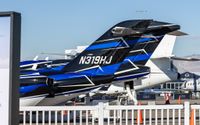
For Thrive Aviation, that distinction will shape the launch of its new fractional business. The company displayed a HondaJet HA-420 and a Bombardier Challenger 3500 at NBAA-BACE in Las Vegas last month, presenting two different answers to the private travel needs it hopes to serve.
But behind those aircraft lies the challenge of managing aircraft availability, booking systems, staffing, and determining how quickly the program can grow.
“We have two airplanes now,” Curtis Edenfield, Thrive’s co-founder and CEO, told AeroXplorer. “We’re going to be adding and growing the fleet as demand grows.”
With fractional operations expected to begin in 2027, Edenfield described a launch that will initially have geographic limits and draw on aircraft beyond the dedicated fractional fleet. The aircraft on display were only the starting point; the way they operate will form the backbone of the program.
Why Fractional Ownership?
Thrive’s move into fractional ownership follows eight years of building its charter and aircraft management business. According to Edenfield, Thrive operates roughly 30 aircraft, approximately 10 owned by the company and another 20 managed for individual clients. The two fractional aircraft are separate from that fleet.

Some of those existing customers helped make the case for the expansion.
“We’ve had a lot of our own customers ask us, like, ‘Hey, I’m flying with you guys a lot. I’m not ready and I don’t want to buy a whole airplane, but I would love to buy a portion of an airplane,’” Edenfield said.
He described fractional ownership as a stepping stone between a jet card and an entire aircraft purchase.
“We knew we were going to launch a fractional and get into the fractional game. We just expedited it with the Honda partnership,” he said.
Announced in September, the arrangement includes a minority investment by Arulean Air, a Honda Aircraft Company subsidiary. Under the announced structure, Arulean will acquire aircraft for the fractional fleet, while Thrive will operate and manage the program.
That allows Thrive to serve customers whose needs have grown beyond its existing membership offerings without requiring them to take responsibility for an entire aircraft.
It also creates a new obligation: building an ownership service alongside the charter and management businesses those customers already know.

How AI Quietly Became the Backbone of Today’s Aviation Industry
Two Aircraft Serving Two Different Needs
Edenfield described the HondaJet as suited to regional flights of roughly one to two hours, citing trips from Las Vegas to Los Angeles or Scottsdale. The Challenger 3500 addresses longer journeys and larger groups of passengers, serving markets like Los Angeles to New York, or Los Angeles to Miami.
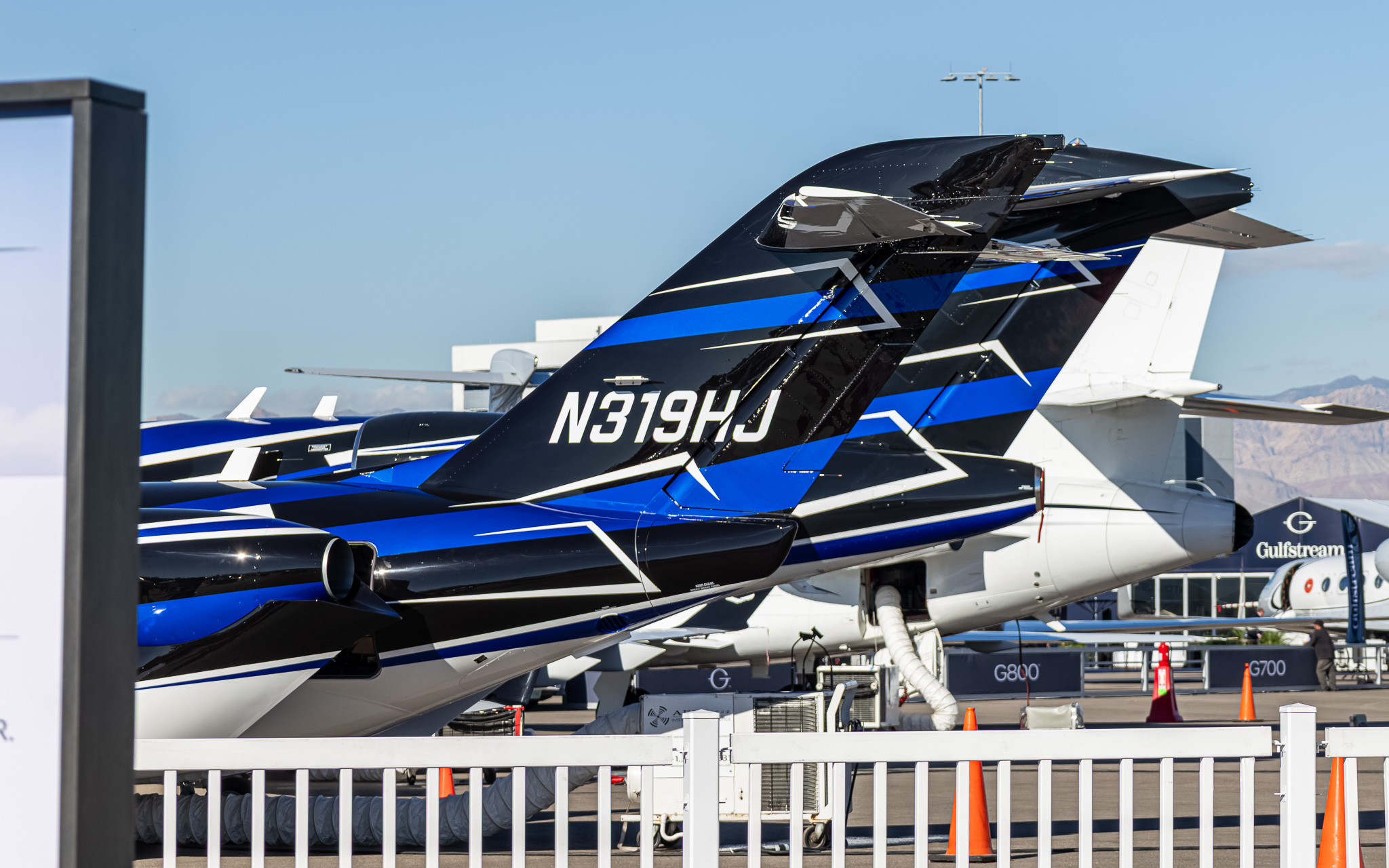
“We specifically chose both of these airplanes for the missions that they do,” he said. “Then we got the Challenger because it’s a super midsize airplane. It can go coast-to-coast and it’s great for more people and longer missions.”
The pairing gives Thrive two distinct starting points, rather than a succession of closely related aircraft sizes. The HondaJet addresses short regional journeys, while the Challenger offers the space and range for longer trips.
“As the program evolves and we see the demand, we will add whatever airplane the market requires and the market demands,” he shared.
Now, this distinction will also translate to the onboard experience, Edenfield shared. He contrasted a cross-country Challenger flight with a 37-minute trip from Las Vegas to Van Nuys.
“If you’re going from LA to New York on the Challenger 3500, that’s a different customer experience and expectation than a 37-minute flight from Vegas to Van Nuys, right?” Regardless, Edenfield says the customer booking experience will remain the same. “As far as your experience with Thrive, that should all be seamless regardless of the plane that you’re flying on.”

Supporting Fleet
At launch, the operation will reflect the size of Thrive’s initial fractional fleet.
“At the beginning, we’re going to be limited to a service area,” Edenfield said.
He also addressed the potential gap in available supply of aircraft and the number of shares Thrive intends to sell – specifically as the company builds its operation. To support the initial operation, the company intends to leverage its current owned fleet and, where necessary, supplemental aircraft.
Edenfield clarified, “We’re going to be relying on our core fleet and our managed fleet to serve as supplemental lift, as well as going off fleet when necessary.”
The two dedicated fractional aircraft will therefore draw support from Thrive’s broader operation as the program ramps up.
This arrangement does raise questions for owners about aircraft substitutions, and how the service area may affect their travel. For Thrive, the immediate goal is to coordinate those resources while preserving the quality of service across its existing client base.
Preparing the Business for Fractional Ownership
Preparing that supporting operation involves a department-by-department review of staffing, procedures, training, and technology.
“We’re meeting every week, and we are looking at every department and just saying – within the lens of people, process, and technology – what do we have right now that works, and what do we have right now that doesn’t work?”

Owner services and booking are among the areas being worked through before the first fractional customers begin flying. Aircraft acquisition presents another challenge. Edenfield identified sourcing used aircraft for the program as a potential obstacle to expansion. Beyond that are the continuing demands of crew management, scheduling, optimization, and customers with high expectations.
“Not losing touch of our 30 airplanes and our managed airplanes and our core fleet,” Edenfield said, is part of that goal.
Thrive’s challenge is to grow its fractional fleet while maintaining the service that existing charter and management customers expect. Its established operation gives the new program resources to draw on, while the departmental reviews are intended to prepare the business for its first fractional owners.
Comments (0)
Add Your Comment
Recommended Articles
-
 Seconds to Survive: The Human Factors Lessons of the 1985 Manchester Airport Disaster
-
 Hindenburg: The Disaster That Ended the Airship Age
-
 Ten Minutes to Manhattan: Inside Joby’s Air Taxi Ambitions
-
 How AI Quietly Became the Backbone of Today’s Aviation Industry
-
 The Shape of Disaster: The Plane That Kept Falling Apart Mid-Air