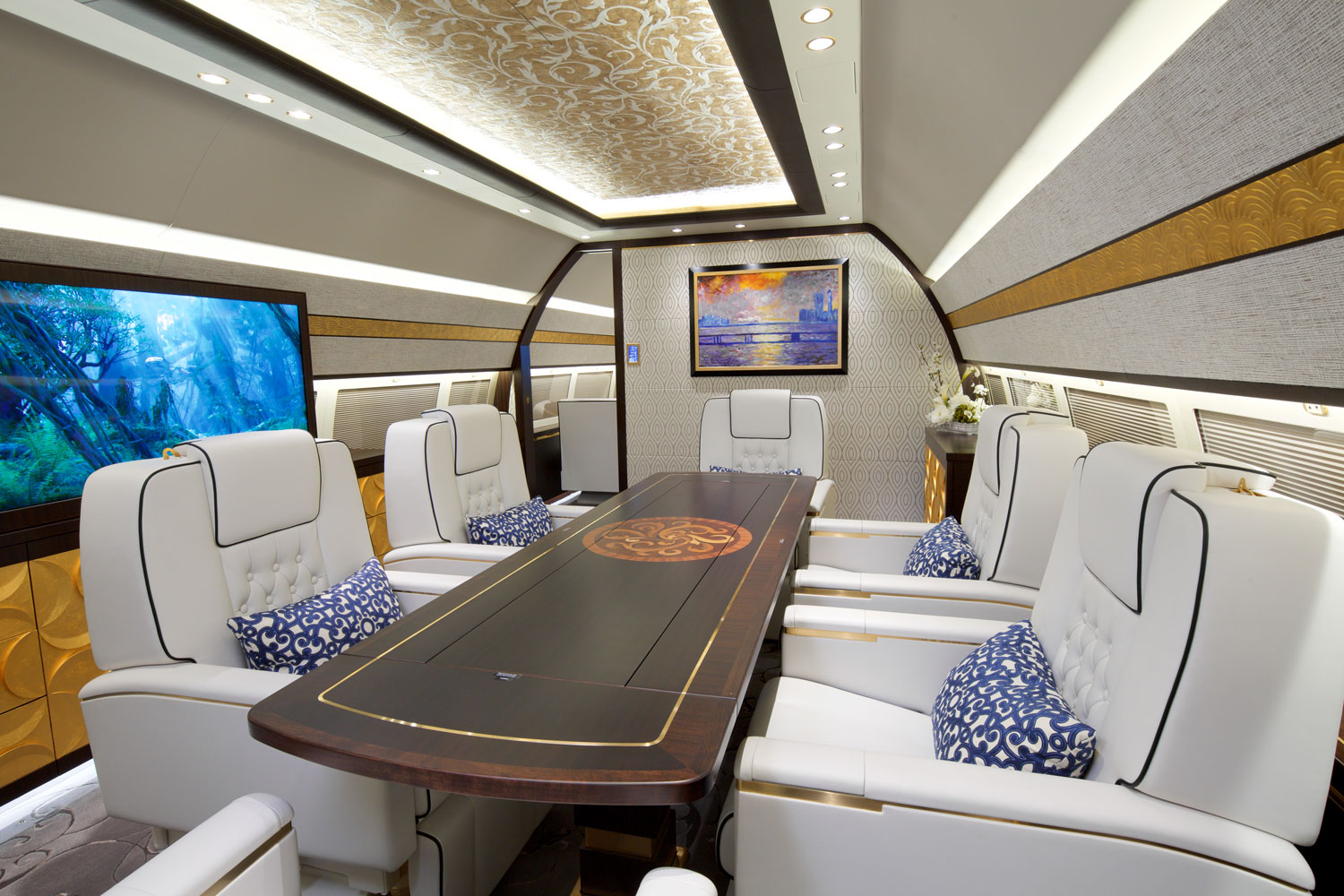
This week at the RedCabin Business Jet & VIP Interior Innovation Summit, one word kept surfacing in conversation after conversation: obsolescence.
It’s an odd word to associate with the sleek, modern look of a business jet. And to be fair, it’s not that the cabins are filled with bad technology; quite the opposite, actually. Much of the summit highlighted technological advances in business jets I didn’t even know existed.
The real issue is that the components installed today will become outdated long before the aircraft itself does.
Colby Hall, Managing Director of Emerging Technology & Innovation, ALOFT AeroArchitects, raised this point during a small group discussion. Business jets are designed to operate for decades, yet consumer technology gets updated every year. It’s simply not feasible to retrofit an aircraft every time something new hits the market.
Chris Blumenthal, CEO of Elephants & Monkeys Consulting LLC, who moderated the same working group, tied it back to his own experience. He described visiting a client’s BBJ where the VHS and DVD players were still installed. The owner had swapped the monitor inputs for HDMI, but the outdated infrastructure still remained, still taking up weight and volume.

So how do you design a cabin expected to last 20 or 30 years when you know some of what you install today will be obsolete within a few years?
The Cabin Ages at Different Speeds
Aircraft interiors do not age uniformly, and that’s what makes this tricky. Leather, wood veneer, cabinetry, seat structures, and high-quality finishes can remain desirable for decades. In my view, the innovation surrounding these elements has slowed to the point of near-timelessness (though some of my peers from the RedCabin event may disagree).
Technology, on the other hand, hasn’t slowed at all. Displays, charging ports, connectivity equipment, processors, entertainment systems, interfaces – all of them have had substantial improvements over the past several years.
United Airlines’s Next innovation program introduced USB-C chargers in 2021. USB-C itself hit the market in 2014. That’s a seven-year gap between innovation and implementation. And the majority of airliners nowadays are still fitted with the older USB-A standard.

Only Way Out: Private Aviation in a Region at War
A cabin contains components operating on fundamentally different life cycles. A seat can become “vintage” over time, but a charging point becomes “obsolete.”
So why can’t operators simply send the aircraft in periodically for retrofits and keep the interior current?
It comes down to cost. And not just in monetary terms.
Replacing these technologies takes time, and often more than expected. When a component is deeply integrated into a sidewall, monument, console, or cabin-management system, swapping it out can mean interior disassembly, rewriting, and sometimes recertification. That’s a lot of time and money to spend on something that, in many owners’ eyes, isn’t worth the trouble.

My Global Express Flight Made the Problem Tangible
I experienced this lag firsthand across two aircraft from the same operator, flown about a year apart.
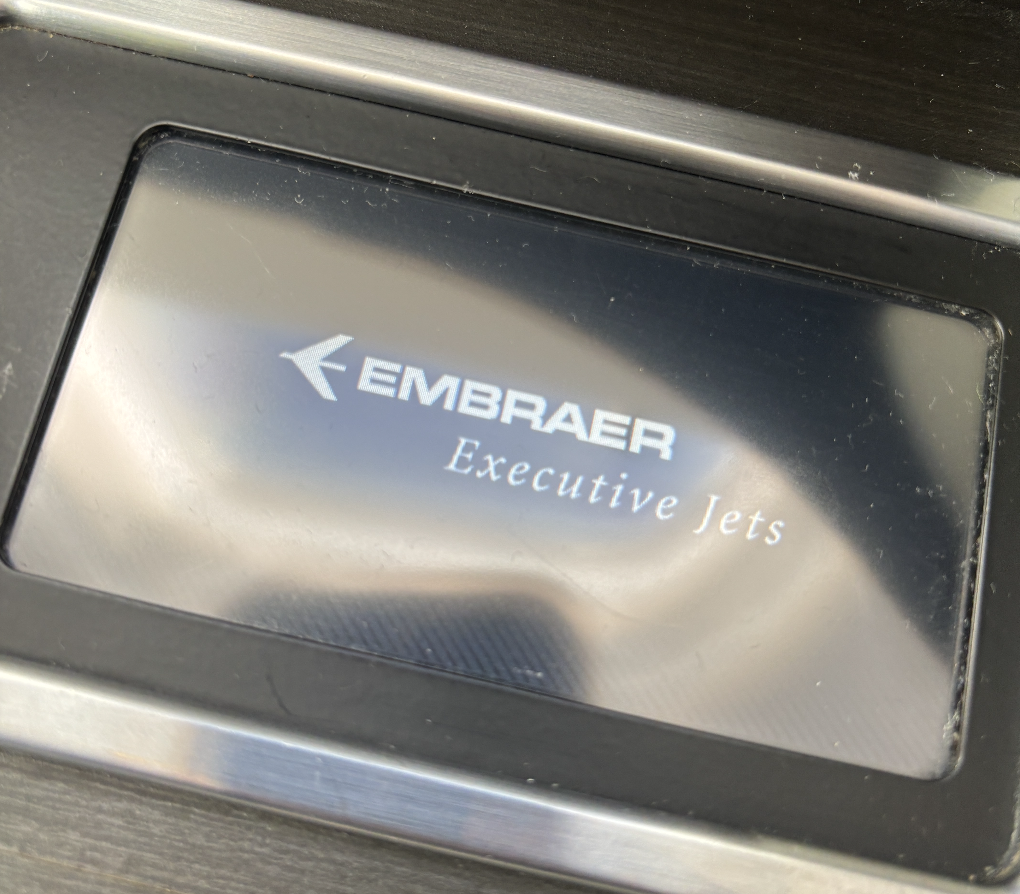
Last year, I flew on an Embraer Legacy 650 between Italy and Spain. The aircraft itself wasn’t old – it was delivered in 2015, so ten years old at the time – yet the interior was lagging. Armrest screens designed for audio input and light control looked dated; there was no WiFi, and the wall outlets had no USB-A or USB-C ports at all. The airplane flew beautifully, and the upholstery looked clean, but the technology inside it was outdated.
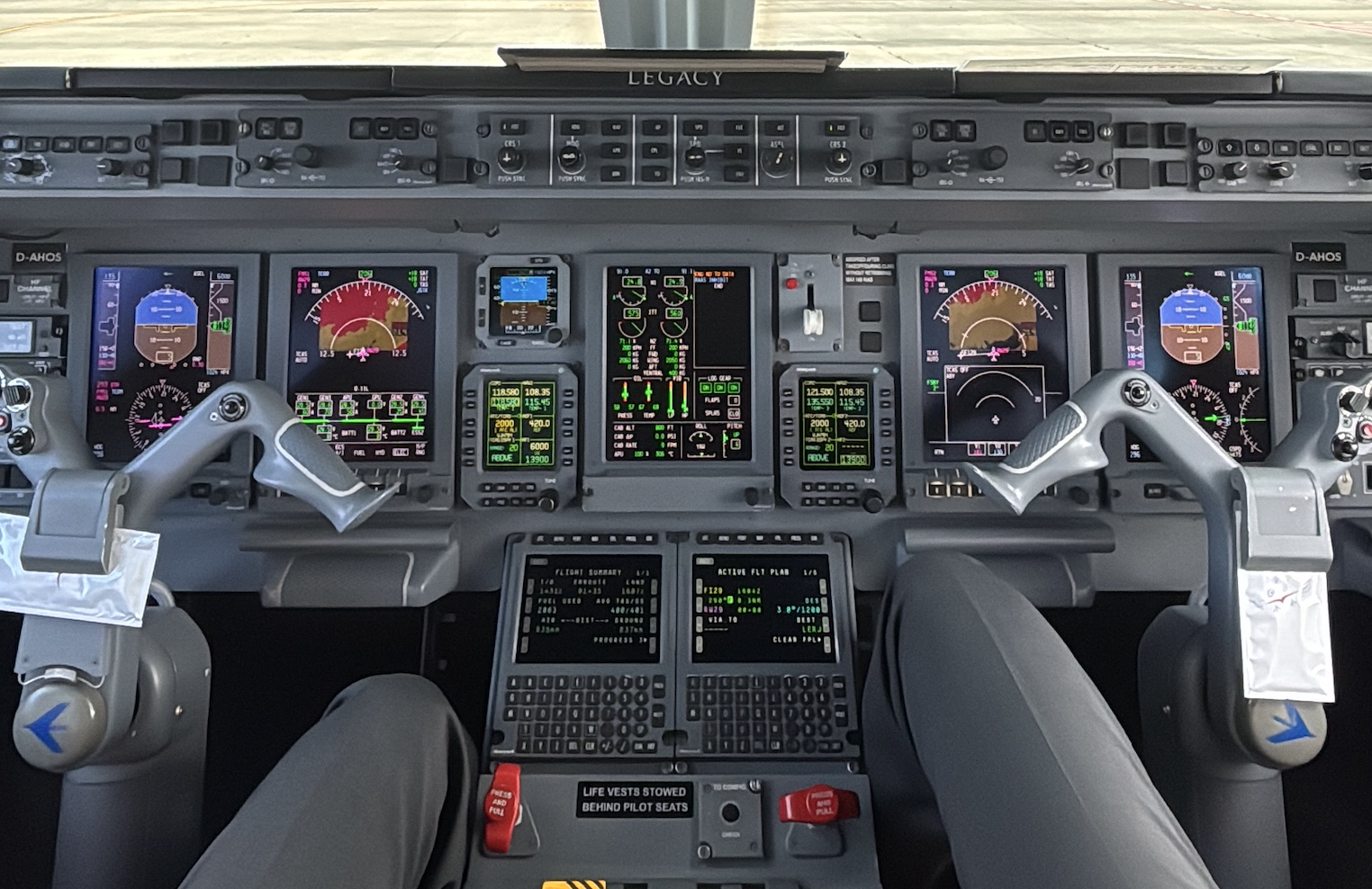
Fast forward to last week, when I flew a Bombardier Global Express with the same operator, this time between Ireland and Switzerland. That frame was one year older – delivered in 2014 – yet the interior felt like a different generation entirely. Wall outlets were paired with USB-C ports I could plug straight into. The rear lavatory had a smart mirror. The WiFi was fast – my colleague made a call to a client in Asia without any interruptions or noticeable lag. Even the cockpit was different: screens lined the flight deck, with pilots using taps and drags rather than button presses and lever pulls.
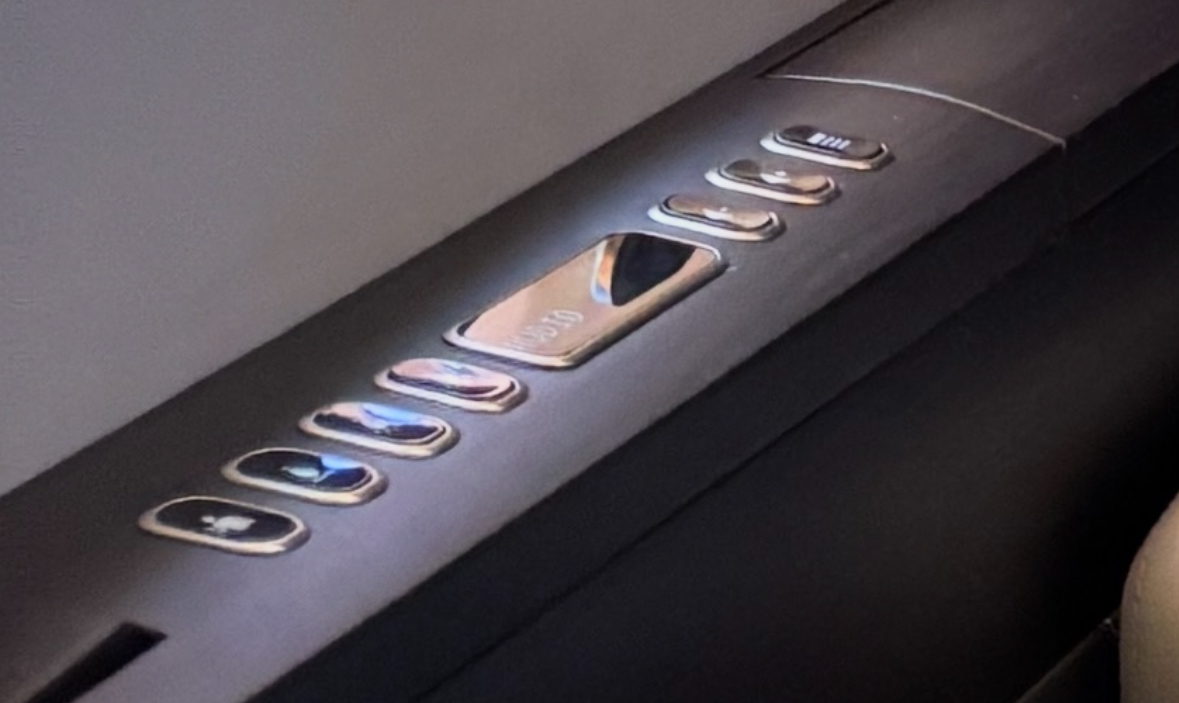
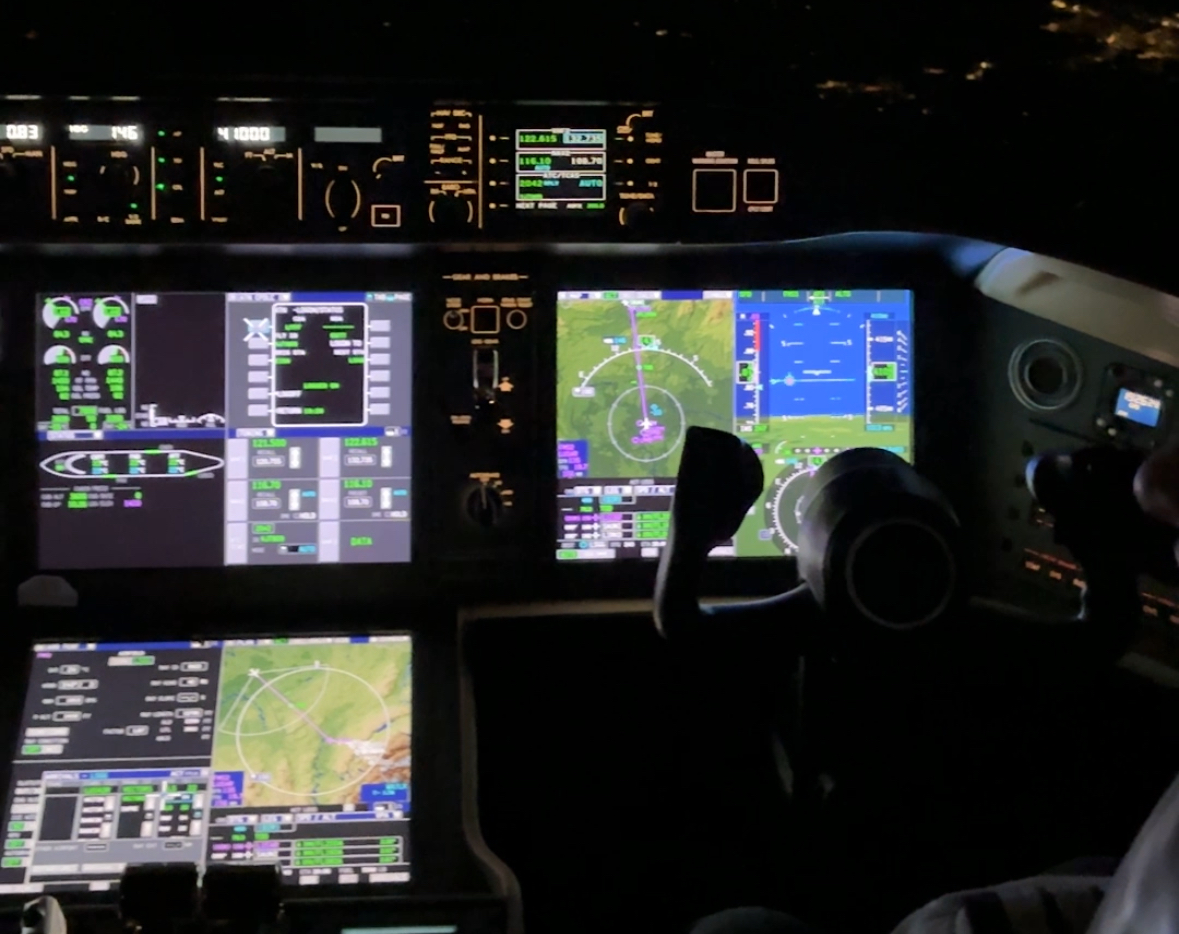
In both cases, there was nothing obsolete about the aircraft. They were nearly the same age, with the same upholstery. But what became obsolete was the layer of technology between the aircraft and its passengers.
The Passenger Is Changing Too
Now, another type of obsolescence exists, which is starting to drive how designers and completion centers approach the design process. It is expectation obsolescence.
We discussed this in one of the RedCabin small group workshops. A new generation of high-net-worth individuals is entering the market with expectations varying drastically from what the industry has been used to. This was exemplified by an exercise facilitated during our workshop session.
Organizers asked the group to rank their top five must-haves if they were to purchase a business jet. When the group began to share, there were clear distinctions. Older, more experienced industry professionals listed seat or comfort as the most paramount. They valued their physical well-being over anything else.
Middle-aged professionals tended to list connectivity as a priority. They wanted to be able to check in with their friends and family while onboard.
Younger professionals, myself included, listed device charging as the most important. My phone feels like an extension of myself – my business, communication, and entertainment all run through it. Without a way to charge it, what’s the value of connectivity or a comfortable seat if I can’t stay engaged?
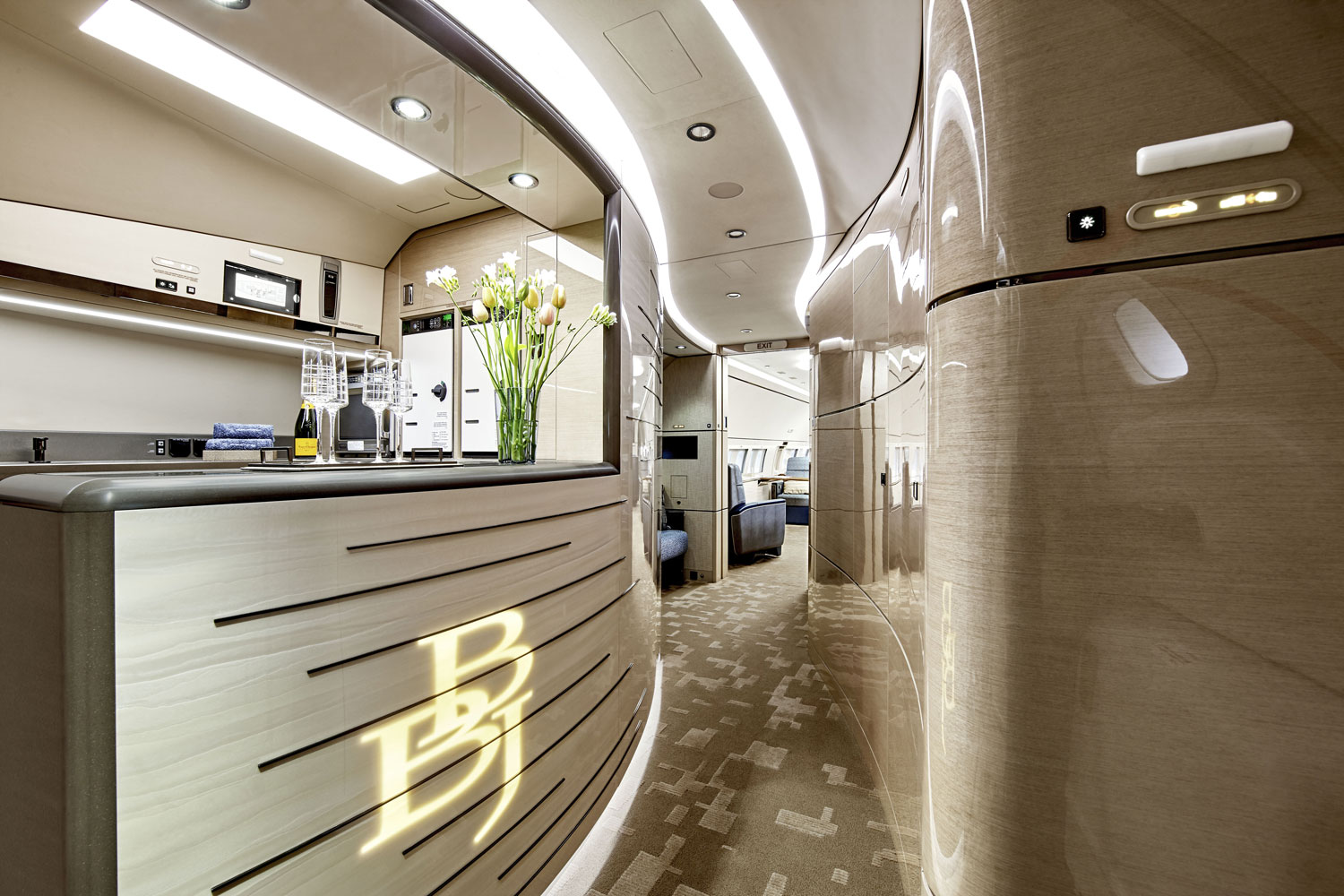
These three different philosophies translate directly into business jet acquisition. Different buyer demographics yield different spending priorities, ultimately driving the perceived value in certain features or functionalities. One passenger may prioritize craftsmanship, seating, or physical comfort, while another may treat those as baseline expectations and notice connectivity, charging, and personalization instead. Neither viewpoint is particularly correct or incorrect. They’re just evidence that the same cabin can be evaluated completely differently by different consumers.
I saw this generational divide again on the first day of the show. Allen Kim, Director of Marketing for P3Labs, described a product his team built that introduces an AI agent into everyday physical spaces. ALOFT AeroArchitects has already adopted it: a screen and microphone trained on company information that customers can interact with directly, freeing up staff who’d otherwise be doing that work instead of the actual repair process.

Kim was direct about where he saw the technology spreading. He mentioned private aircraft, where the agent could observe passenger behaviors and use that to cater to their needs. He even related it to events, where attendees could learn more about the offerings and receive guidance based on their unique interests.
In a workshop later that day, we discussed the feasibility of an onboard agent in an aircraft similar to P3Labs’s, one whose functionality would resemble that of Amazon Alexa. A passenger could minimize the complexity of cabin management by simply asking the agent to make changes directly, for example, “dim the lights” or “make me a coffee.”
The room came to the consensus of “not feasible” for reasons I personally didn’t find compelling. For example, “if you’re in a room with people you don’t know, are you going to use the voice agent to lower the volume on the speaker?”
Personally, yes, I may. I might also manually change it, but it would still be useful to have the functionality readily available whenever I am alone or with friends. It’s no different than having an Alexa at home. If I often have guests visiting my household, that wouldn’t affect my decision on whether to purchase one; I’d simply not use it when it didn’t feel appropriate, while still having it there when it did.

The Cockpit’s Next Revolution: When the Co-Pilot Is a Computer
I admit this might be a blind spot on my part, shaped by my own demographics and travel habits. But it points to something real: every traveler has their own “profile,” and that profile ultimately determines what gets installed on an aircraft, what technology is worth waiting on, and what technology is best to install now and upgrade later.
Serving Tomorrow's Owner
We can even take this one step further. Consider a new Embraer Praetor 500E, delivered brand-new to a customer. For all we know, this aircraft may still be flying in the 2040s. Its occupants or owner may change, and with it, so will the expectations of what constitutes a technologically relevant cabin.
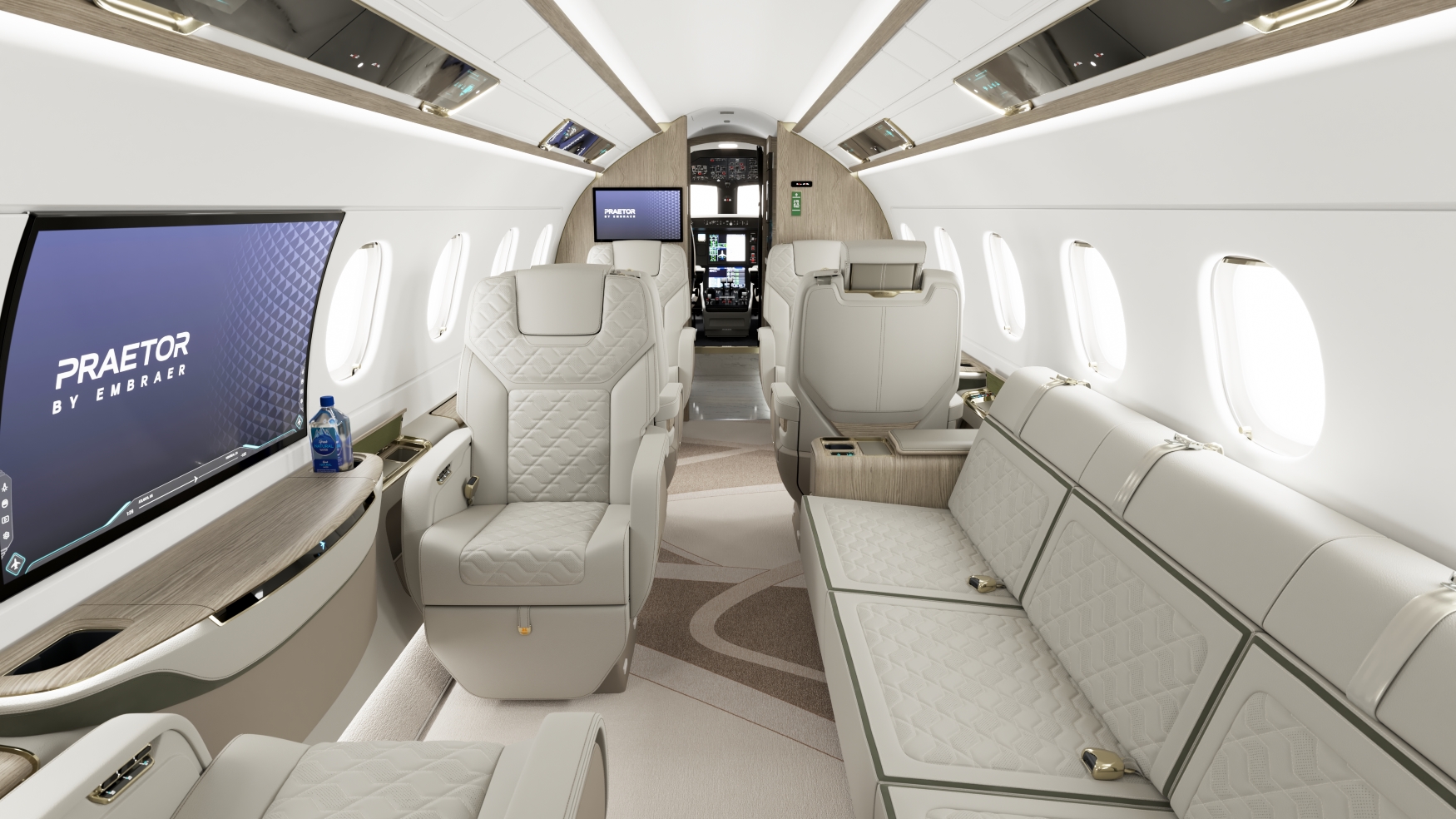
With this philosophy, designing around today’s customer creates another type of obsolescence. Yes, everything is up-to-date with their specs and requirements, but in 10 years, when another owner is in control, the technology will no longer be relevant.
This begs the question: should we design for the customer who signs the spec sheet, or for everyone who will occupy the aircraft over its lifetime?
Stop Trying to Future-Proof Technology
Now, one could simply argue that the most viable solution would be to install more technology. Surely if we keep updating and adding more devices, they will mature at different rates, and something on board will always be current … right?
I’d push back on that. Installing newer technologies doesn’t necessarily solve technological obsolescence. Today’s cutting-edge technology is tomorrow’s outdated one; this is especially true with AI.
Consider where AI stood just five years ago. I was just graduating high school when the newest publicly available models could barely write a basic essay, were trained on data years out of date, and struggled with simple math. Five years later, the pace of progress has outstripped nearly every prediction, with OpenAI’s agent research group recently solving the Navier-Stokes problem in a matter of hours.
That’s the rate of acceleration we’re dealing with, and I’m certain it will expand to cabin technology as well. Which means the philosophy behind how we install it needs to change.
You can’t future-proof the technology you put onto an aircraft; you can only future-proof the architecture around it.
Instead of thinking “what system should we install?” designers and completion centers should now consider, “what happens when we need to replace this system? How can we allow this to be done as easily and as cost-effectively as possible?” This is where the real innovation lies.
Because at this point, we aren’t racing to beat the technological innovation. We’re building alongside it.

Maybe Adaptability Is the Next Luxury Feature
My message for engineers, designers, and professionals alike: consider the frame. When placing a component, ask, “Can technicians reach it? Can wiring support its replacement? Will something structurally unrelated have to be disturbed to upgrade it?”
Make maintainability and upgradeability part of luxury design rather than merely an MRO consideration.
Obsolescence Doesn’t Have to Be Expensive
Return to the word that opened this piece.
Technology becoming obsolete is inevitable. But the failure here is letting predictable obsolescence demand disproportionate cost and operational disruption.
As we all know, aircraft can remain tremendously capable long after the world around them changes. That longevity is exactly why adaptable interiors matter more.
The most future-proof business jet cabin isn’t necessarily the one equipped with the newest technology.
It’s the one designed from the beginning to replace it.
A big thank-you to RedCabin for organizing the summit, as well as ALOFT AeroArchitects for hosting the events and tours. Next year’s Business Jet & VIP Interior Innovation Summit will be held in Riga, Latvia. I highly recommend that all designers and completion professionals include this in their 2027 event plans.
Comments (0)
Add Your Comment
Recommended Articles
-
 How AI Quietly Became the Backbone of Today’s Aviation Industry
-
 The Shape of Disaster: The Plane That Kept Falling Apart Mid-Air
-
 Only Way Out: Private Aviation in a Region at War
-
 Analysis: How Spirit Airlines Changed Airline Pricing, then Paid the Price
-
 The Cockpit’s Next Revolution: When the Co-Pilot Is a Computer