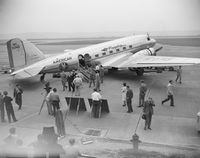
On a cold winter morning in the late 1920s, an airmail pilot tightened the straps of his leather helmet and stepped toward his open-cockpit biplane. Beside the pilot seat sat hundreds of pounds of mailbags, destined for cities across the United States.
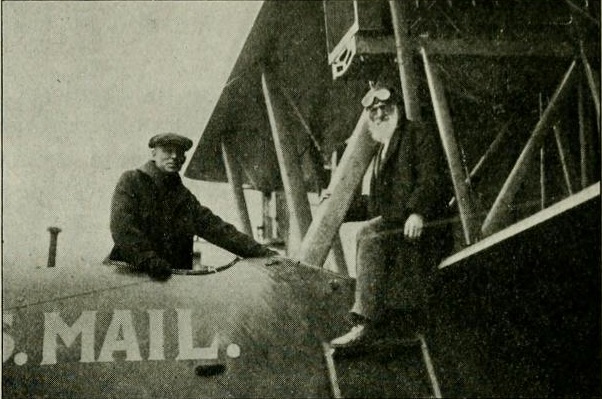
He had no radar, no reliable weather forecast, and no clear route to follow. If the engine failed or the weather turned against him, there would be no rescue. Yet he was flying anyway, focused on his mission to connect cities across the country through invisible highways just hundreds of feet from the ground.
A century later, the world's largest airlines trace their origins to these humble beginnings. In 2025, Delta Air Lines celebrated its 100th anniversary, reminding the public that it did not begin as a passenger airline at all, but as a regional agriculture operation in the Mississippi Delta.

Its story is not unique. Many of the airlines that shape global travel today were born from the same era of experimentation, risk, and government support that transformed them into the corporations we see today.
Some have since ceased operations, while others have vanished from the public mind because of corporate mergers and takeovers. It is no coincidence that most of these “legacy airlines” came to life in the mid-1920s; a confluence of technology, economic opportunity, and governmental initiatives – both successful and disastrous – created the moment and the momentum for several idealistic and entrepreneurial aviators to realize that, both literally and figuratively, the sky was the limit.
A century later, millions of passengers board jets every day without giving it a second thought. But the airline industry we know today was built on risk, rivalry, and a surprising amount of luck.

How AI Quietly Became the Backbone of Today’s Aviation Industry
The First Official Passenger Airline
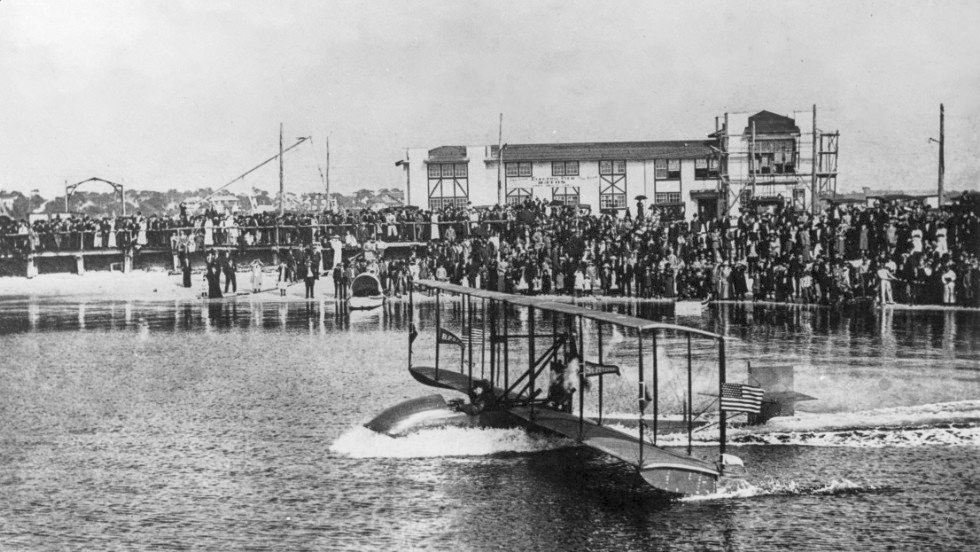
The St. Petersburg-Tampa Airboat Line is widely credited with being the first ever scheduled passenger-carrying service in the world. Pilot Tony Jannus began ferrying passengers across Tampa Bay in his Benoist flying boat on January 1, 1914. The Benoist could make the 18-mile trip in 23 minutes. It cost $5 for a ticket ($158 today), and Jannus could carry just one person besides himself. The service only lasted a few months, but it was, by definition, a regularly scheduled passenger airline: it made all of its revenue from carrying regular people along a published route and on a published schedule.
The Kelly Act of 1925: Flying the Mail in the 1920s
These were the earliest days of any type of commercial air service, however, and most of that commerce consisted of air mail contracts. In 1925, the U.S. Congress passed the Kelly Act to award contracts to private companies to carry the U.S. Mail by plane. Before that, airmail was flown only by Army Air Corps pilots in Air Corps aircraft.
Aviation entrepreneurs took advantage of the surplus number of World War One aircraft, notably the De Havilland DH-4 and the renowned Curtiss JN “Jenny.” The operators of these two-seat, open-cockpit airplanes filled one cockpit with a typical load of 200 pounds of mailbags, while reserving the other for the brave pilot bundled in leather and wool, flying through every season with little protection from the elements. Routes crossed the Rocky Mountains, the deserts of the Southwest, and even open water.
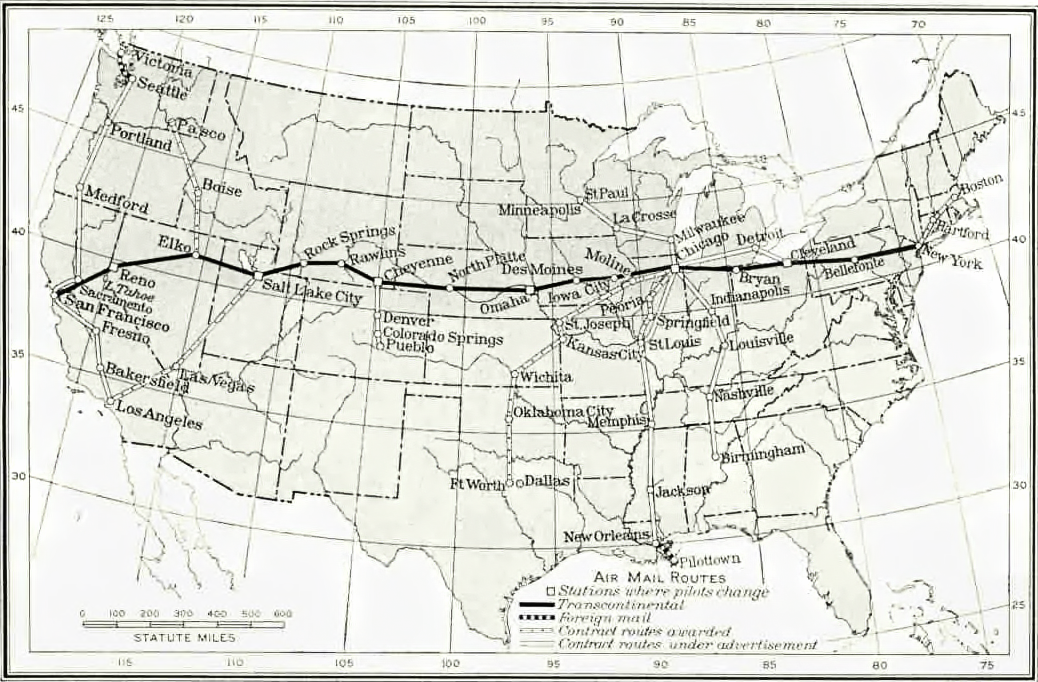
It was in these days that airmail pilot Elrey Borge Jeppesen began making hand-drawn maps and distributing them to his fellow pilots. These maps included significant landmarks around a city’s airfield, and a recommended approach pattern to avoid prominent obstacles. From these humble beginnings would evolve the eponymous Jeppesen charts still in use today by pilots all around the world. In the late 1920s, a network of large cement arrows and lighted beacons was constructed along 24 established airmail routes to aid these intrepid pilots. Many of these arrows are still visible today.
By 1929, there were over 45 airlines delivering mail, criss-crossing every region of the United States. Only occasionally would an airmail pilot carry a passenger, sometimes a mail official, who would sit on top of the mail bags; the revenue came first, naturally.
While such passenger flights were rare in the days of open-cockpit flying, carrying people was nonetheless what most airline operators dreamed of from the start. A government contract to fly the mail was simply the best way to guarantee a stable flow of income, a necessity to fuel the pursuit of the ultimate goal. But the relationship between the government and the airmail pioneers was fraught with peril, and its successes and failures would reshape the fledgling industry no less than three times in just its first decade.
The Spoils Conference and the Air Mail Fiasco of 1930
The Kelly Act of 1925 sparked the first wave of airline growth, but the government's next intervention nearly tanked the entire industry. As the United States sank into the Great Depression in 1930, many airlines struggled to survive. A revision to the Kelly Act, the McNary-Waters Act, was passed in April 1930. The new law gave the postmaster general broad authority to “extend or consolidate” routes in pursuit of greater efficiencies. Postmaster General Walter Folger Brown used this authority to restructure existing airmail routes and demand consolidation amongst the larger airlines, leaving many of the smaller airlines out of consideration altogether. A series of meetings between Brown and select airline executives in 1930 became known as “The Spoils Conference,” where newly structured airmail routes were awarded to airlines willing to merge into larger organizations.
The smaller airlines’ complaints over their lack of representation and transparency caused an uproar, and a subsequent Senate investigation led to the discovery that Brown and other government participants had financial stakes in some of the participating companies. As the consequences of the Spoils Conference came to a head, a new administration had come to power after the inauguration of Franklin Delano Roosevelt. In 1933, FDR promptly canceled all existing airmail contracts and placed the responsibility of flying the mail back into the hands of the Army Air Corps.
The Shape of Disaster: The Plane That Kept Falling Apart Mid-Air
This proved to be disastrous. Army pilots had no experience in this type of flying, and thirteen pilots lost their lives in crashes in just the first few days of operation. Congress hurriedly passed another Air Mail Act in June 1934. But in the haste to restore air mail service, the new process of awarding routes was no more transparent than the previous one. Most routes fell back under the purview of the same consolidated airlines created in 1930. Some figures involved in the scandal were banned or departed the airline business, while others endured and created companies that changed the world.
Varney's Full Circle
On April 6, 1926, Walter Varney’s Varney Air Lines flew its first route, CAM-5 (Commercial Air Mail route #5) eastbound from Pasco, Washington, to Elko, Nevada via Boise. In 1930, Varney, along with two other small airlines, was absorbed into a vertically integrated aviation conglomerate that included two manufacturers: Boeing Aircraft and the engine-maker Pratt & Whitney.
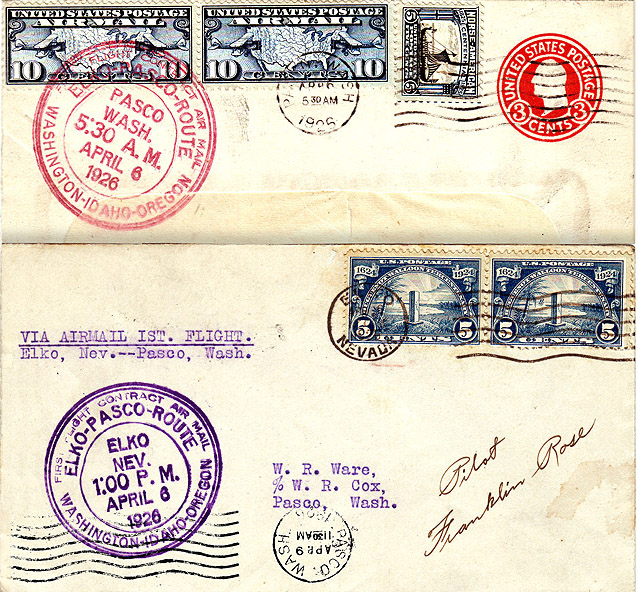
The combined organization was called United Aircraft and Transport Corporation. However, anti-trust provisions of the 1934 Air Mail Act prohibited the ownership of airlines by aircraft manufacturers. The dissolution of the conglomerate assigned all manufacturing in the eastern part of the United States to United Aircraft, the forerunner of both United Technologies and today’s defense contractor RTX (Raytheon). Manufacturing in the western part of the country fell to Boeing Aircraft, headquartered in Seattle. The combined airlines became United Air Lines and made Chicago their home.
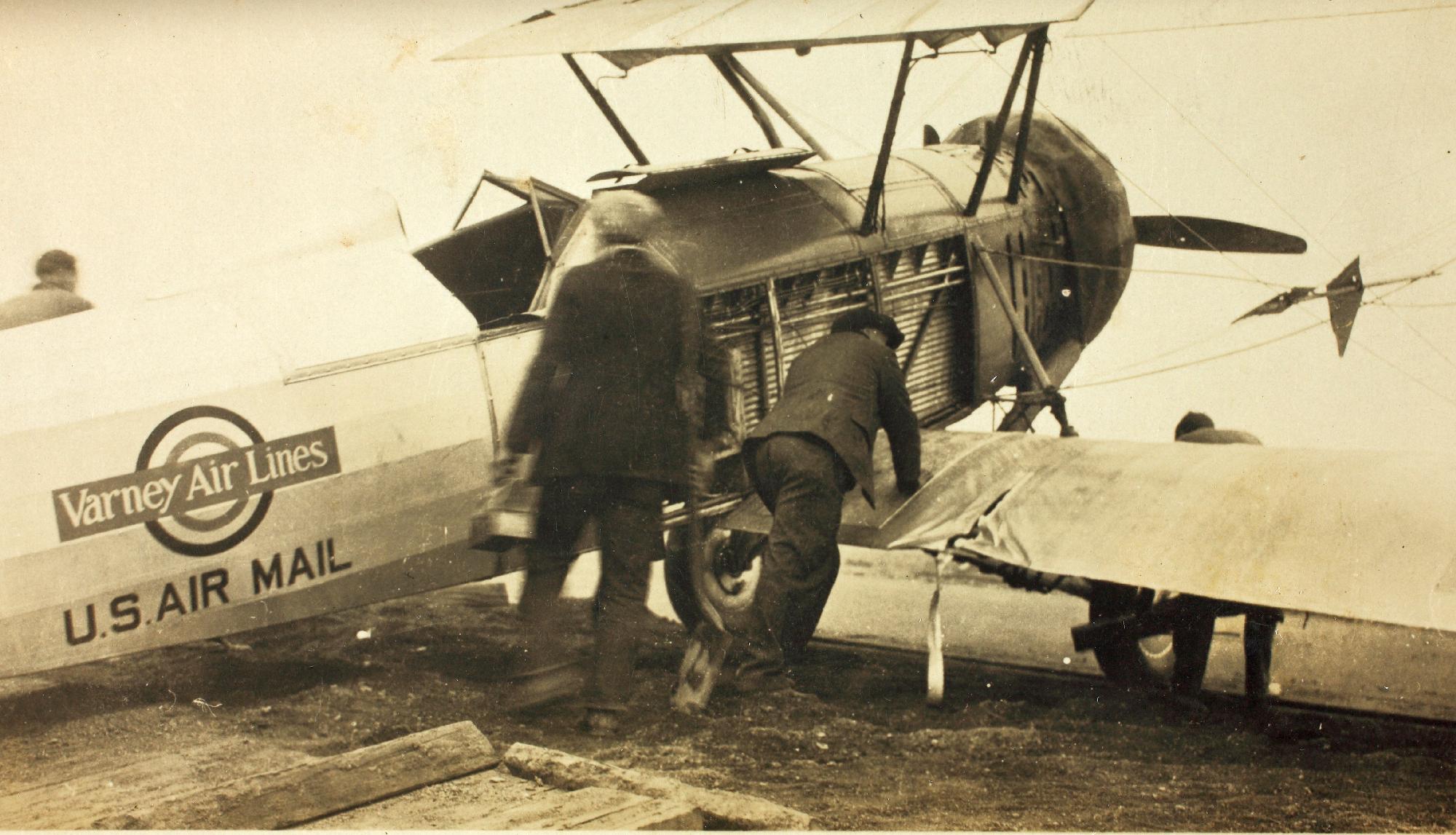
Interestingly, the 1934 Air Mail Act also led Varney to create a separate regional airmail and passenger operation he called Varney Speed Lines. Speed Lines linked El Paso with Albuquerque, Santa Fe, Las Vegas, and Pueblo, Colorado. When business executive Robert Six invested in the airline in 1936, he renamed it Continental Airlines and remained its CEO until 1980. In 2012, United merged with Continental, thus bringing the two airlines pioneered by Walter Varney together nearly 80 years after their founding.
American Airlines
Today’s American Airlines is distinct from many of its contemporaries in that it traces its lineage back to a business entity, as opposed to a group of starry-eyed aviators or entrepreneurs. The Aviation Corporation, or AVCO, was established as a holding company in 1929. Backed by institutional investors such as W.A. Harriman and Lehman Brothers, AVCO began collecting disparate aviation-related businesses into a combined enterprise.
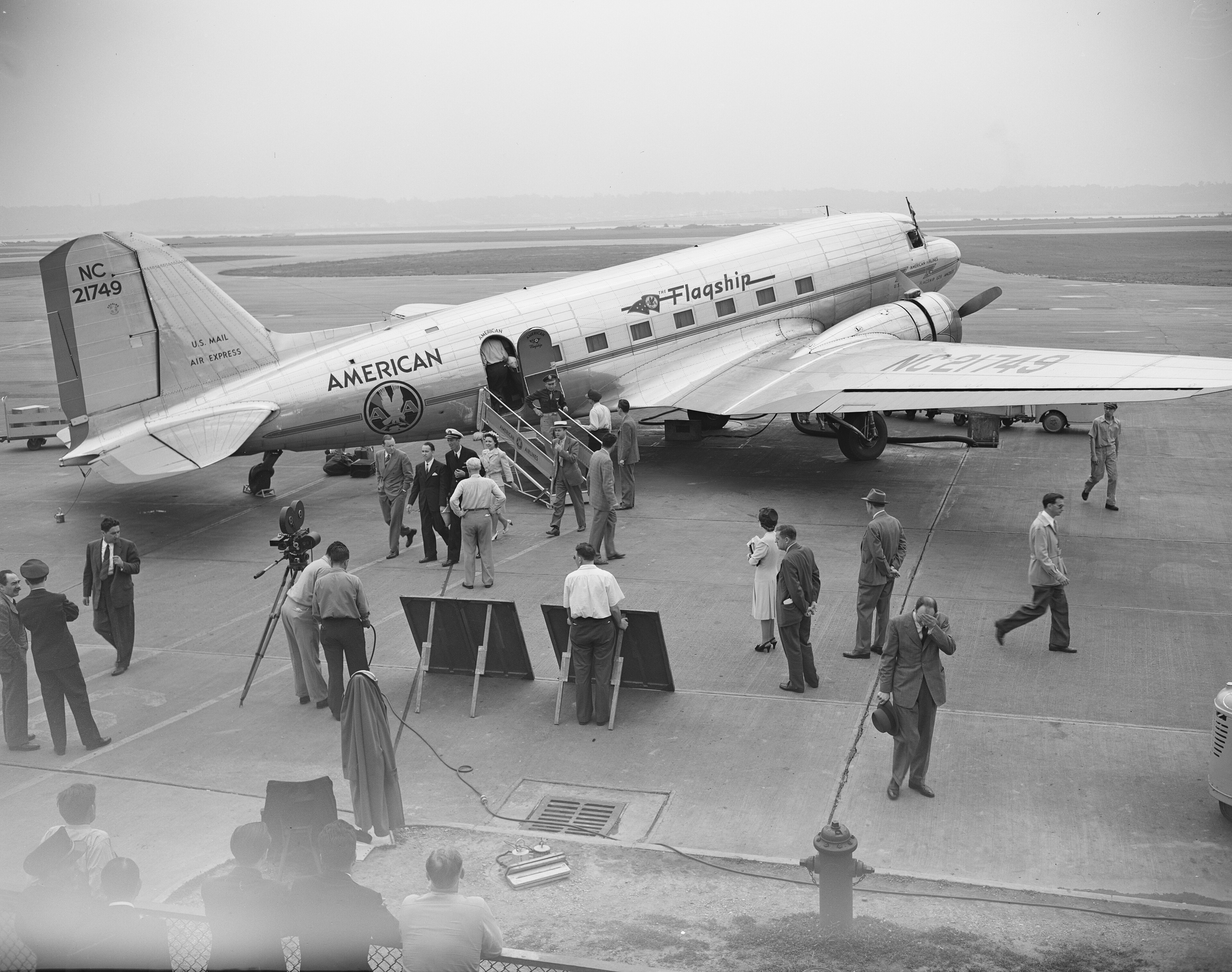
By 1929, AVCO had a stake in up to 80 air operators. One was a Florida airline called Embry-Riddle, namesake of the renowned aviation university. Another was the Robertson Aircraft Co. of St. Louis, Missouri, employer of one Charles A. Lindbergh, just another unknown airmail pilot until his daring 1927 journey as the first person ever to fly nonstop from New York to Paris.
The 1930 Spoils Conference forced AVCO to spin off its airline holdings, and American Airways was born, then renamed American Airlines after the 1934 Air Mail Act. Such minor changes were, in some cases, required to signal a break from their Spoils Conference antecedents.
American went on to accomplish several airline innovations. It inspired the modifications to the DC-2 to create the DC-3, which made air travel ubiquitous. American was also at the center of the DC-7/Lockheed Constellation rivalry to establish non-stop coast-to-coast service. And, in 1959, American was the first airline to bring the jet age to coast-to-coast service when it inaugurated service of the Boeing 707 from Los Angeles to New York.

Analysis: How Spirit Airlines Changed Airline Pricing, then Paid the Price
Western Airlines
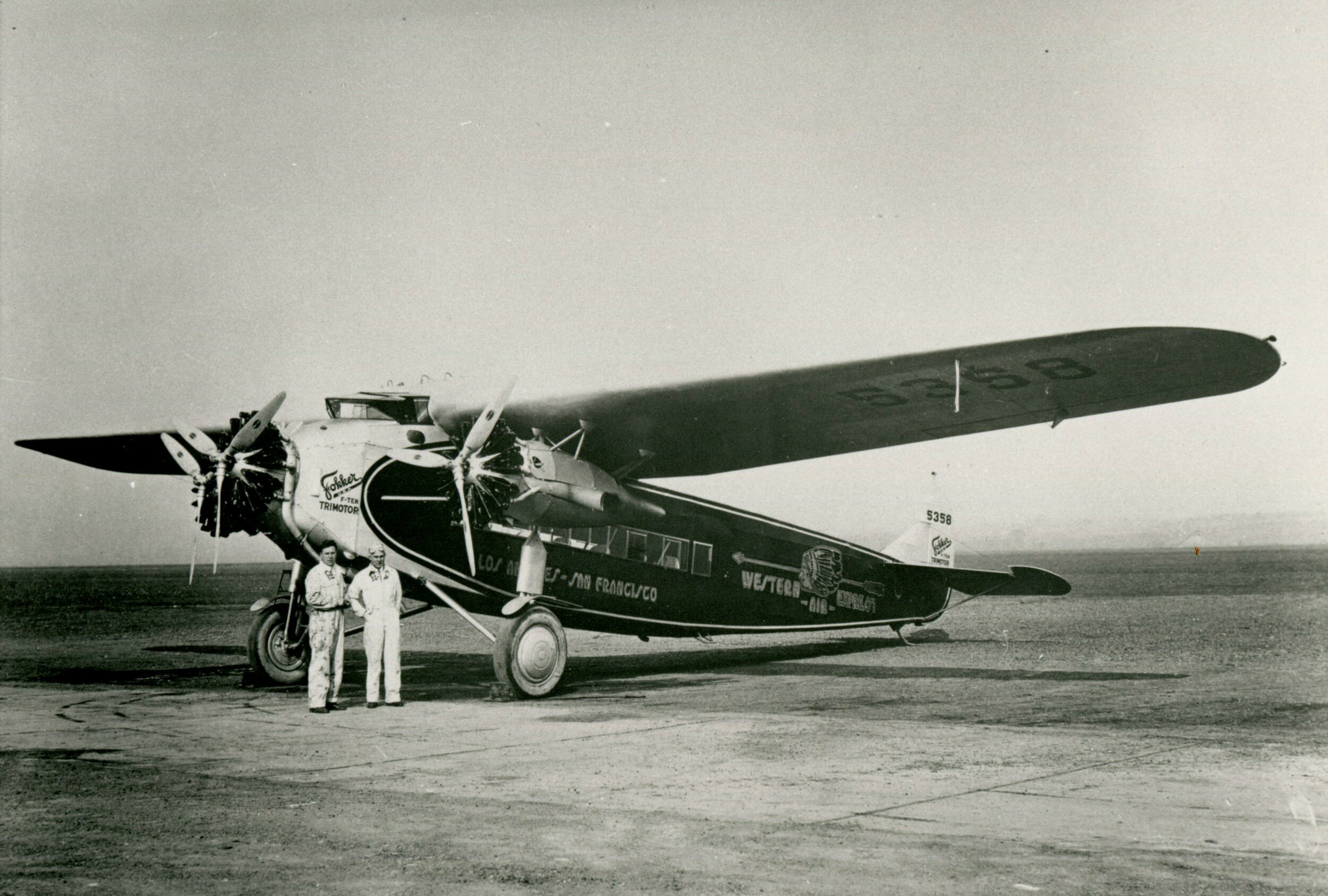
Western Airlines (WAE) was founded by Harris “Harry” Honshue, a race car driver. The Kelly Act awarded WAE several airmail routes connecting Los Angeles to Salt Lake City, Utah. Western carried its first passengers the following year.
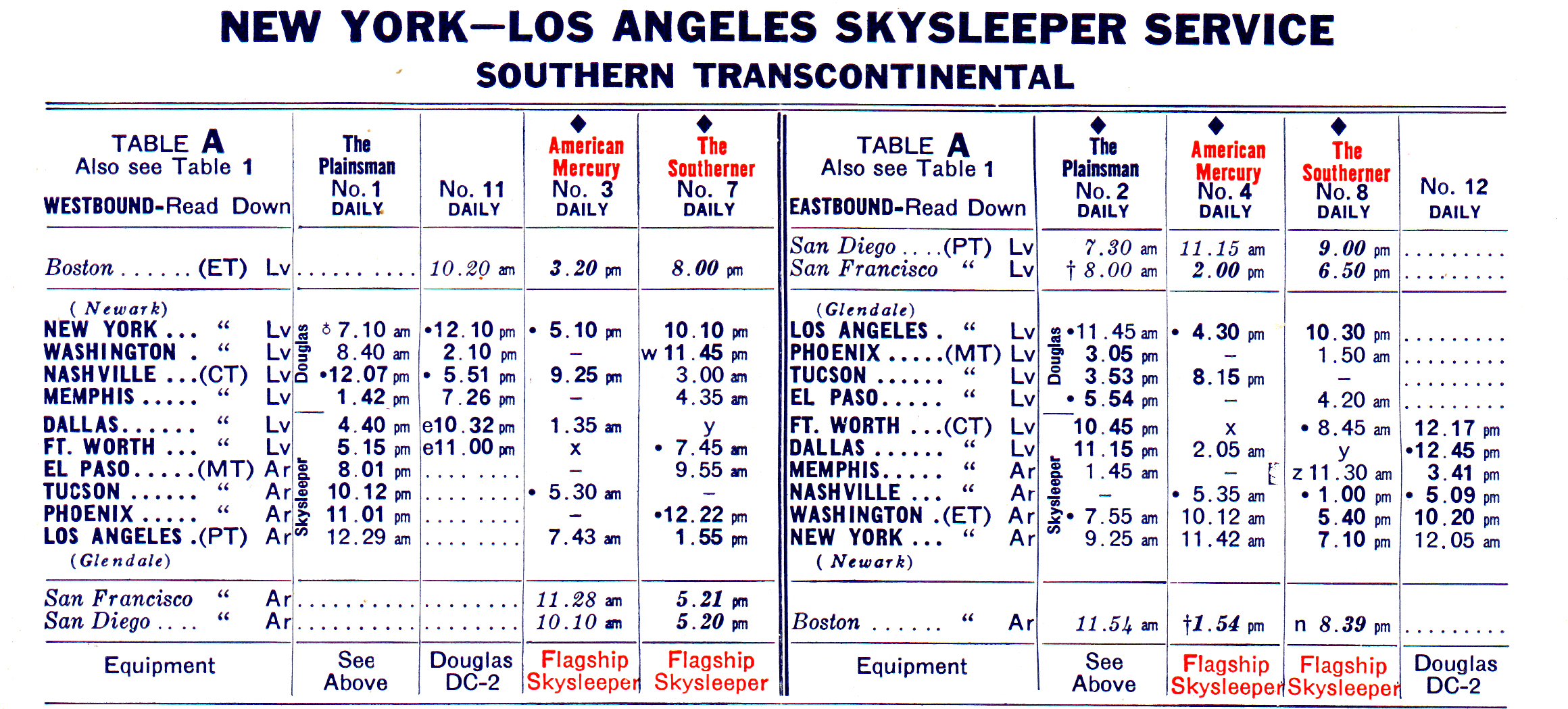
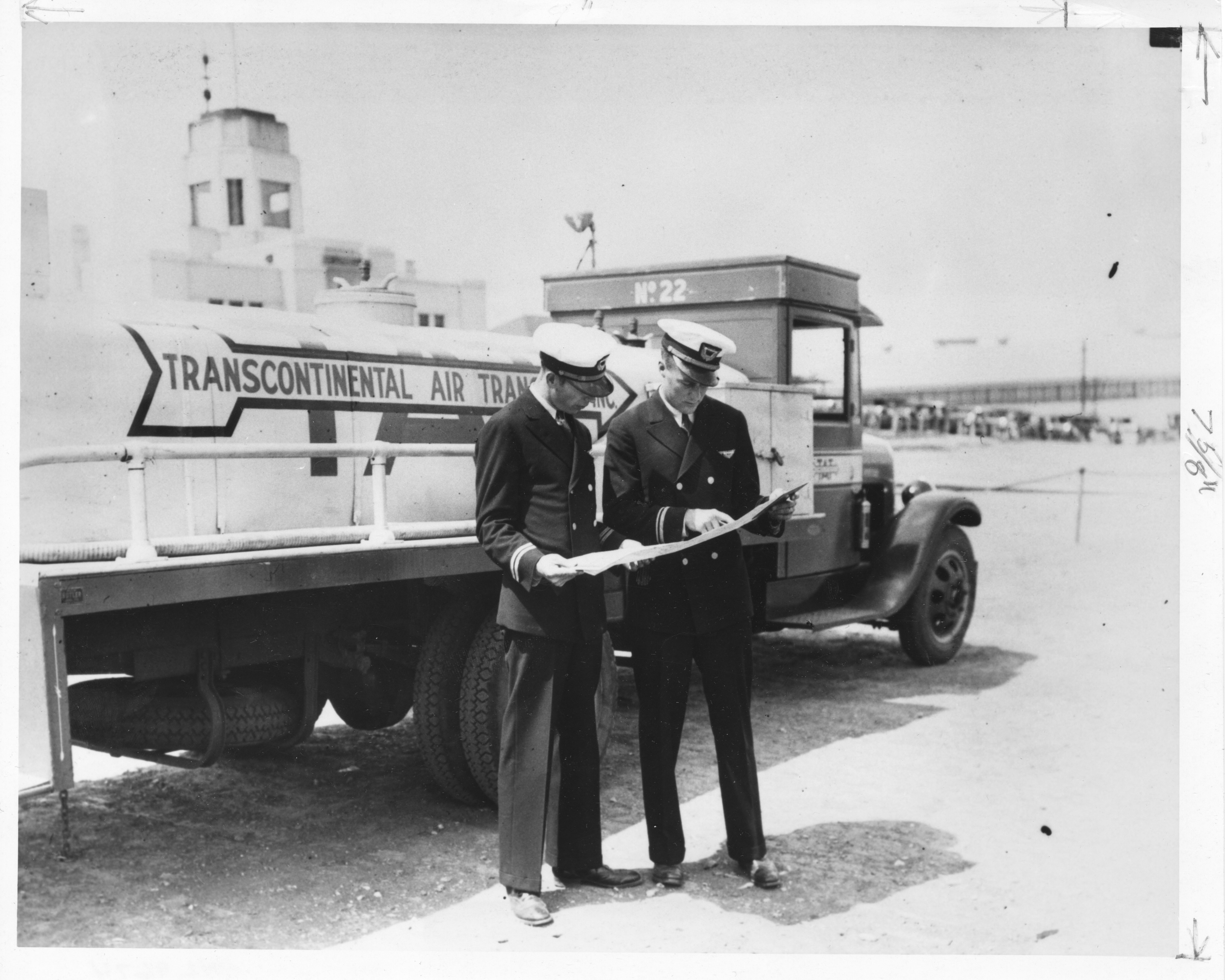
At the same time, aviation visionaries were already thinking bigger. In 1928, Transcontinental Air Transport (TAT) was created to move travelers across the country in just 48 hours. Flying by day and riding trains by night, TAT’s passengers began their journey with a night train from New York City to Columbus, OH. In the morning, they would board a Ford Tri-Motor for an 11-hour flight from Columbus to Oklahoma. A train would take them again by night to New Mexico, and from there they would finish the trip by air to the Glendale Air Terminal in Los Angeles. For the first time, crossing America by air felt within reach.
During the consolidation of 1930, Western merged with TAT and other airlines, forming Transcontinental & Western Air, better known as T&WA. The partnership combined Western's regional strength with TAT's national ambition.
Western eventually regained its independence after the Air Mail Act of 1934. True to its regional name, Western went on to develop a major hub at Salt Lake City and was a mainstay in the westernmost states of the United States, including Hawaii. Over the decades, it expanded into Canada, Mexico, and the Caribbean before ultimately being acquired by Delta Air Lines in 1986.
The Birth of TWA
Western was also part of the origin story for one of the most iconic airlines of the 20th century.
Just before the Spoils Conference, Western had acquired Standard Air Lines of California. Standard was founded by Jack Frye, who became enamored with aviation in his youth. He moved to California in 1923 and worked as a dishwasher and a soda jerk (think of a soft drink, shake, or malt barista) to earn money for flying lessons. Eventually, he invested in a flying school and later a distributor of Fokker Aircraft, from which he and his partners launched Standard Air Lines to carry mail and passengers in 1928. Western bought Standard just over a year later. After the Air Mail Scandal in 1934, Frye became the president of T&WA at just 30 years old.
But T&WA was in trouble. The airline struggled financially through the late 1930s, facing intense competition from larger rivals like American Airlines, which had stronger networks and deeper resources. T&WA also lacked the capital needed to modernize its fleet and expand internationally, leaving its future uncertain.
In 1939, aerospace visionary Howard Hughes began quietly acquiring stock in the struggling company. By 1944, he held a controlling interest, approximately 77 percent. With his newfound influence, Hughes pushed T&WA beyond its domestic roots, investing heavily in new aircraft and long-distance routes. Reflecting the broader vision, the company officially dropped its name in 1950 and adopted the simpler, more ambitious title: Trans World Airlines, or TWA.
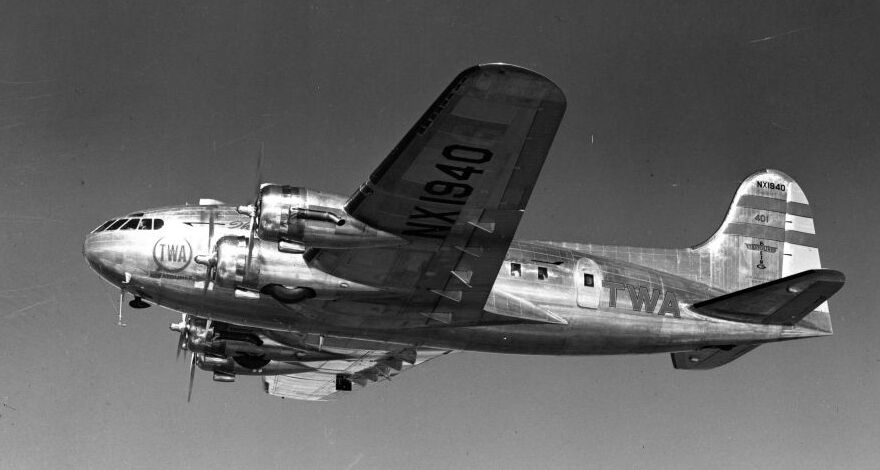
Hughes and Frye set standards for air travel innovation over the following decades. Working closely with aircraft manufacturers, TWA helped drive the development of the technologically advanced Douglas DC-1 and DC-2. It would later make history once again by operating the Boeing 307 Stratoliner, the world's first pressurized airliner, allowing passengers to fly above rough weather and opening a new era of smoother, faster travel.
During the war, TWA gained a foothold in international flying in service of the war effort and was the first airline to connect the U.S. to Paris in 1946. In the following decade, TWA would join Pan Am in circumnavigating the globe, serving such far-off and exotic destinations as Cairo, Tel Aviv, Basra, Bombay, and the islands of Guam and Taipei.
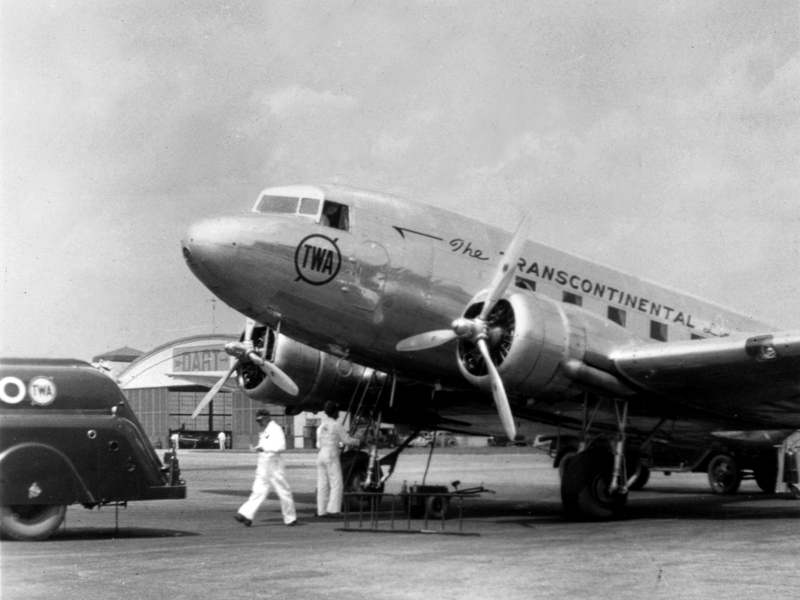
But TWA largely fell victim to the Airline Deregulation Act of 1978, legislation that phased out government intervention in many aspects of commercial air travel. After being spun off by the diversified corporation it had created, the airline was purchased by corporate raider Carl Icahn in 1986. Icahn insisted salary cuts were necessary to remain competitive in the newly deregulated environment. He sold TWA’s fleet to a leasing company, which he owned, and leased the aircraft back to the airline. By the end of the 1980s, he was selling routes and gates to competitors, including the “crowned jewel” routes from various East Coast cities to London. Eventually, Icahn was forced out, and TWA experienced a pair of bankruptcies in the 1990s.
Ultimately, TWA was purchased by American Airlines and was no longer flying its own colors by November 2001.
Pan American World Airways
Perhaps the most recognizable airline of all time started service in October 1927.
Pan Am was founded by Juan Trippe, a Yale graduate who had interrupted his education to be a naval aviator during the final year of World War I. The war ended before he saw combat, but after finishing his degree, he sought the financial support of his Yale classmates to enter the airline business.
Pan American’s first route was an international airmail delivery between Key West and Havana, Cuba. It flew its first passengers on January 16, 1928, aboard a Fokker Trimotor named “The General Machado” between Key West and Havana. That same year, Trippe negotiated a joint venture with the Grace Shipping Company to operate Pan Am-Grace Airways, or Panagra, in Perú. Expansion to connect the U.S. with various points across South America was achieved through Trippe’s deft diplomatic skills, committing to establish airports and receiving agencies in dozens of locations. Additional international airmail contracts allowed Pan Am and Panagra to establish routes to Panama, Ecuador, Colombia, Peru, Chile, and across the lower Andes Mountains to Argentina and Uruguay.
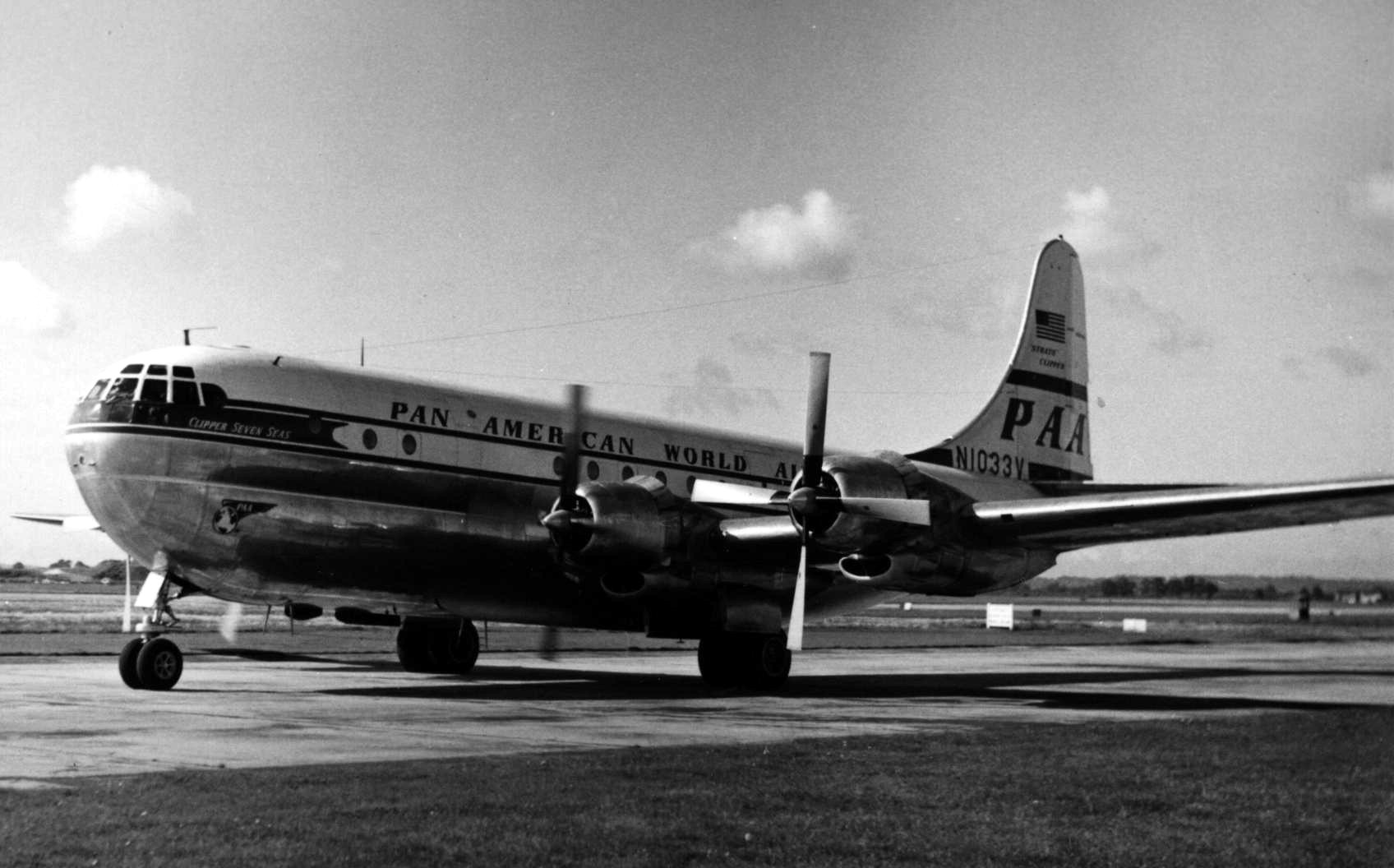
Throughout the 1930s, Pan American Airways was best known for its use of large seaplanes. These flying boats were appointed like small ocean liners, with separate cabins and meal services provided by attendants in white coats. Pan Am dubbed these aircraft “The Flying Clippers,” and soon the giant, four-engine aircraft were seen around the globe, making the world’s oceans their airports. Indeed, round-the-world routes were a hallmark of Pan Am for its entire existence. Pan Am was the impetus for the development of the Boeing 747 and was the launch customer for the original Jumbo Jet, the Clipper Victor, on January 22, 1970.
Sadly, Pan Am also fell victim to new and difficult airline economic conditions created after Deregulation in 1978. Built to thrive through luxurious service during decades of tightly-regulated fare and route structures, Pan Am was ill-equipped to adapt to the cutthroat environment of discount and no-frills airlines that were to come. Its lack of a domestic route structure to feed its international operation, the debt-laden purchase of National Airlines, and the 1988 Lockerbie bombing all heaped more pressure than it could sustain. Pan Am ceased operations in 1991.
Eastern Airlines
Eastern traces its roots to Florida Airways and Pitcairn Aviation, which won the airmail contract for service between Florida and New York. Harold Pitcairn established a flying school and passenger service in 1924, then began building small aircraft and gyrocopters in 1926. The name was changed to Eastern Air Transport after 1930. Eastern was owned by General Motors for five years in the mid-1930s. It was GM who appointed World War I flying ace Eddie Rickenbacker to be Eastern’s General Manager.
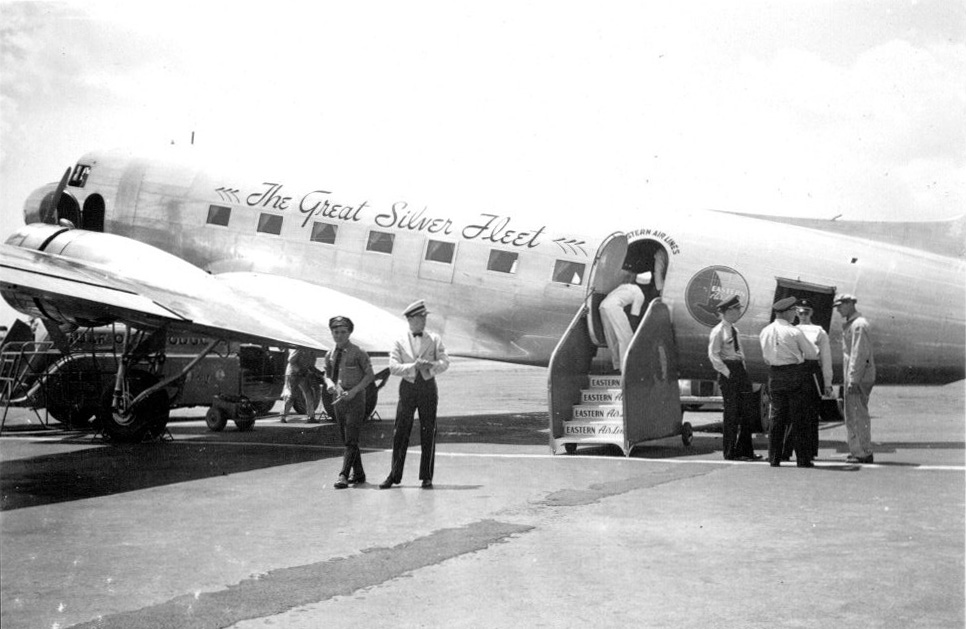
The airline established its dominance across the East Coast, anchored by hourly departures between New York and Washington, DC. Eventually, Rickenbacker was able to raise $2.5 million to purchase Eastern outright as GM sought to avoid monopoly and antitrust issues. He would remain its CEO until the onset of the jet age in 1959. He was replaced after showing a reluctance to appreciate the appeal of the new jets to the traveling public.
Eastern maintained its East Coast dominance, becoming the “East Coast Shuttle” when it extended hourly flights to Boston as well. These flights did not use any advance registration system, and passengers could purchase their tickets onboard with cash.
Eastern's international routes spanned the Caribbean and extended to South America when it acquired the routes of Braniff International, the Dallas-based airline founded by Tom and Paul Branniff that had been flying into South America since 1948.
But by 1986, debt caused by new aircraft purchases left Eastern vulnerable to a takeover by Frank Lorenzo’s Texas International. A series of unfortunate events soon followed, including massive fines from the FAA for maintenance violations and extreme labor unrest as Lorenzo sought to lower costs.
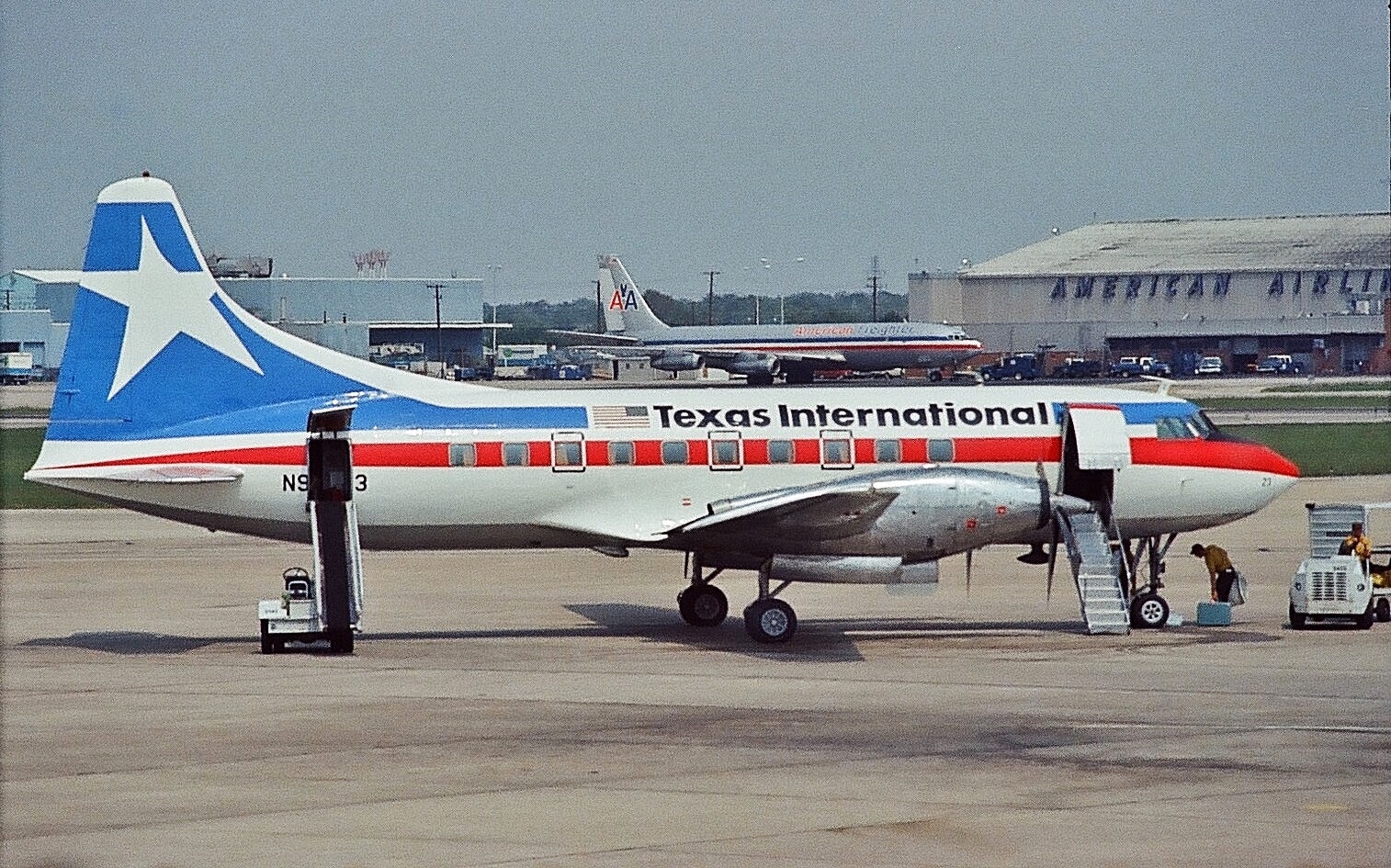
This forced Eastern into bankruptcy. Lorenzo began selling parts of the company to other airlines: its planes and gates to Midway Airlines, its South American routes to American Airlines, and its east coast shuttle service to New York businessman Donald Trump. By 1990, Lorenzo lost control of the airline after failing to secure financing to restructure what remained of Eastern. All operations ceased in January 1991.
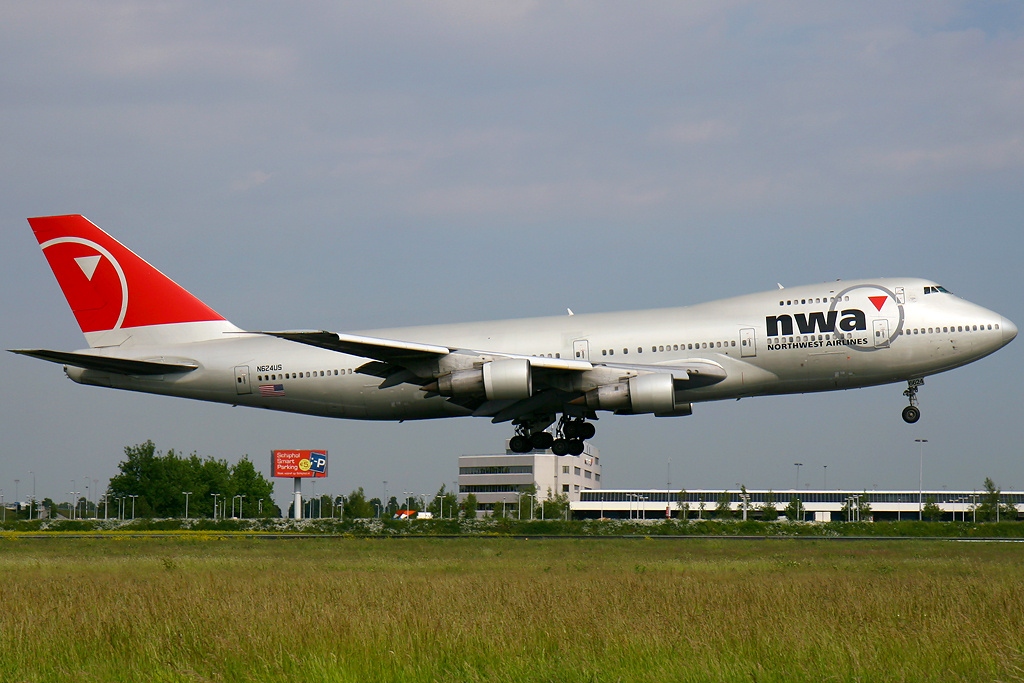
Northwest Airlines
One of the most resilient airlines to emerge from the early airmail era was Northwest. Founded in September 1926 by Col. Lewis Brittin in Detroit, Northwest was tasked with flying the mail between Minneapolis and Chicago, a daring feat given the winter weather typical of the Great Northwest. Passenger service began the following year, supported greatly by the Hamilton H-45, an all-metal, high-winged monoplane that accommodated six passengers in an enclosed cabin. By 1933, Northwest was flying the “Northern Transcontinental Route” from Minneapolis to Seattle.
The airline’s long-term vision, however, extended far beyond the continental United States. In the early 1930s, Northwest sponsored an exploratory flight led by Charles Lindbergh and Anne Lindbergh across Alaska and onward to Tokyo, testing the viability of polar and great-circle navigation. The route they charted ultimately became the foundation of Northwest’s famed “Great Circle” network, formally launched in 1947.
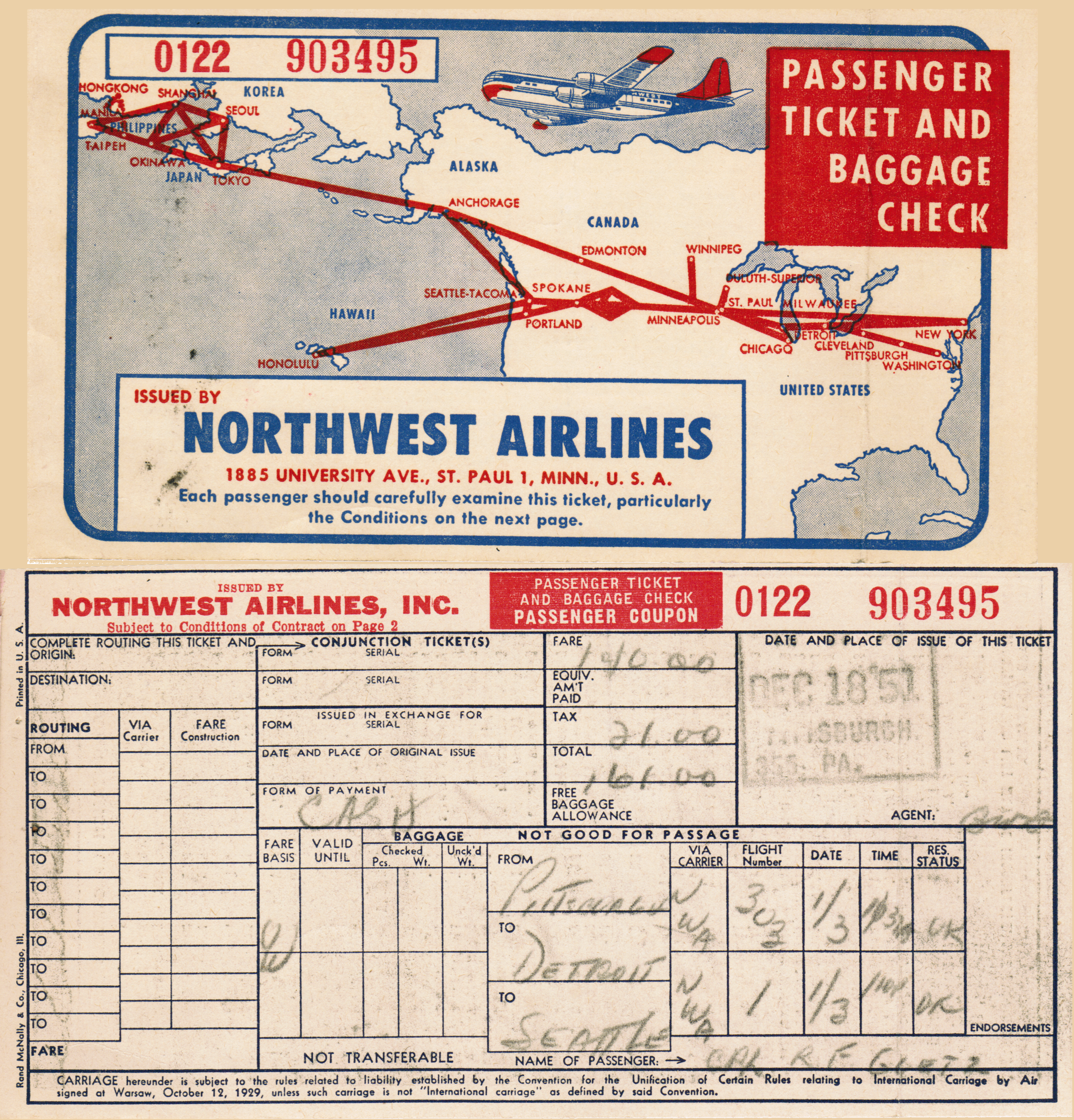
With the introduction of direct service to Japan, Northwest became the first U.S. airline to achieve that milestone and would go on to carry more passengers across the Pacific than any other carrier in the decades that followed.
Fun Fact: Northwest’s distinct bright red tail was a result of its service during WWII, flying soldiers and materials to Alaska. The red tails made their airplanes easier to see in harsh weather conditions.
Northwest Airlines merged with Delta in 2010, and by that time was the U.S.’s sixth-largest airline.
Europe: Instant “International Operations”
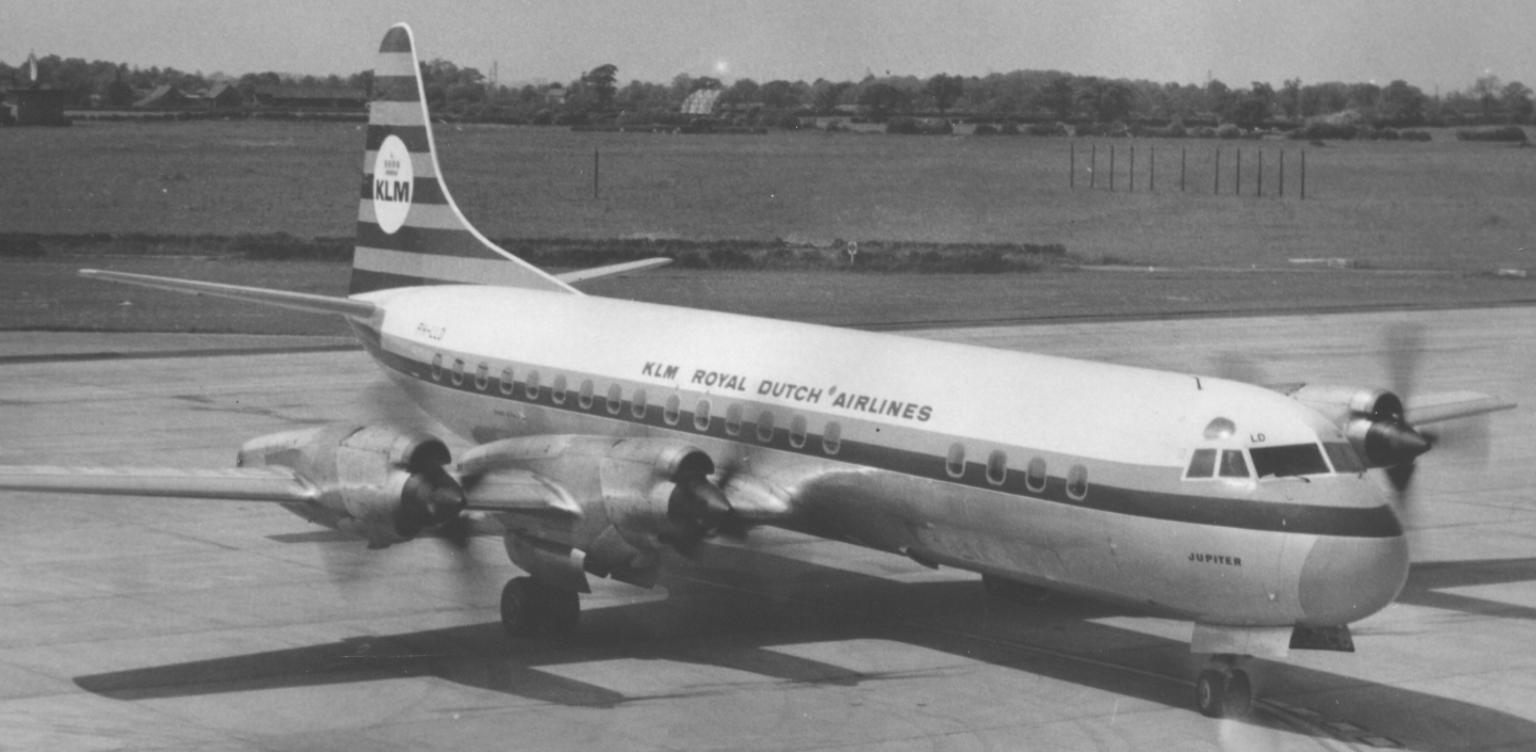
While Americans were conquering deserts and mountains, Europeans were hopping between countries. KLM, for instance, flew a four-passenger De Havilland DH-16 from Amsterdam to London in 1920. Perhaps appropriate for a nation whose maritime fleet once dominated global trade, KLM had stretched as far as Batavia (now Jakarta, Indonesia) in the Dutch East Indies by 1924. KLM reached as far as Curacao in the Dutch West Indies by the mid 1930s.
Geography played an important role in the founding of Finnair's predecessor, Aero, in 1923. At the time, there was no land-based airport in Finland, so Aero flew a German-made Junkers airplane set on floats to take advantage of the expansive waters of the fjords that surrounded the nation. In the wintertime, the Junkers was fitted with skis to land on snow-covered fields.
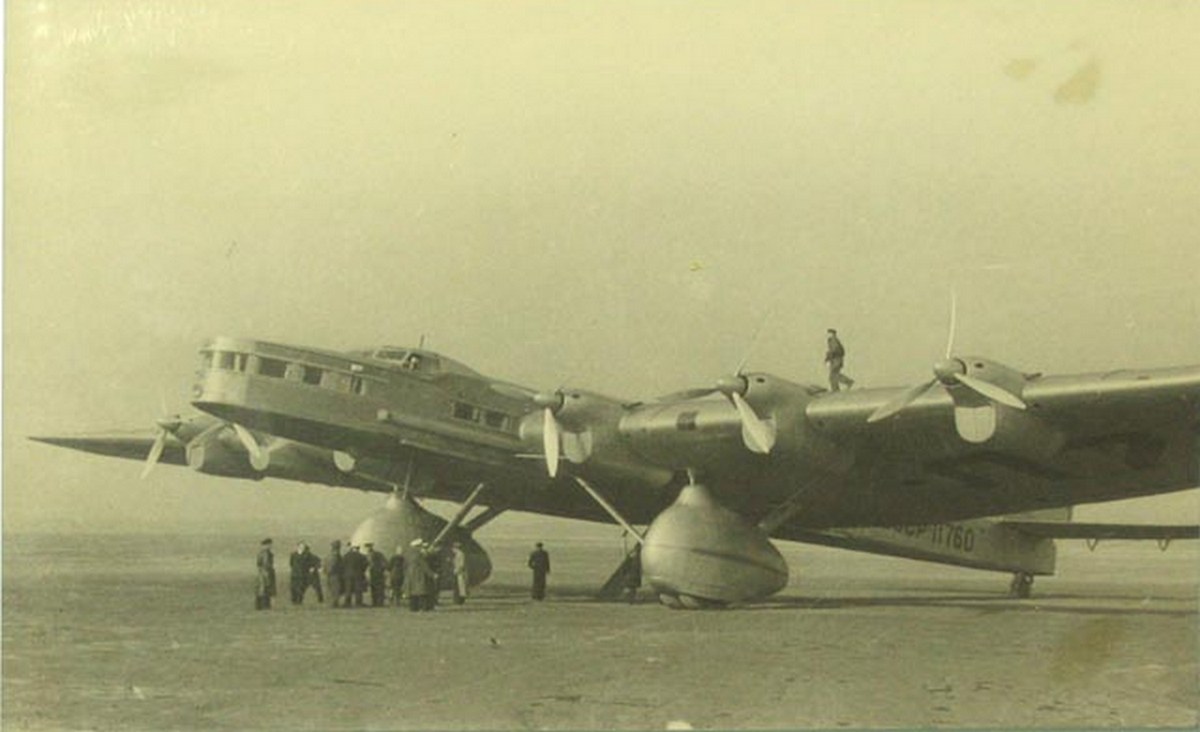
In Russia, Dobrolet, one of three airlines created from an edict by the Soviet government, began flying mail and passengers between Moscow and Nizhny Novgorod in 1923. In 1932, all air operations in the Soviet Union were centralized under the Civil Air Fleet, and the consolidated airline operators became known as Aeroflot. It is a stunning achievement that Aeroflot has survived the demise not only of its sponsoring nation but also the very economic system in which it operated for more than sixty years. At present, Aeroflot is affected by international sanctions and geopolitical circumstances that limit its operations.
Changing The World
Hopefully, the other airlines that trace their lineage back a full century will follow Delta’s lead and celebrate their own centennials in the coming years. Staying in business that long is no small accomplishment, but it’s also impossible to overestimate the effect of air travel on humankind. Indeed, powered flight itself has existed for less than 125 years. The pilots and businesspeople who took advantage of their moment to pioneer travel through the skies may not have known what would come of their efforts. But one mailbag, one passenger, one flight at a time, they launched the entire world toward a paradigm shift that has changed us all forevermore.
The next century of aviation may look radically different, yet the fundamental vision remains: Airlines connect the world in ways early airmail pilots couldn't even imagine.
Those first flights carried a pilot and some mailbags. Today's aircraft carry millions of passengers across continents each day. The real question is which airlines will rise to meet the challenges ahead, and which will, like so many before them, become part of the history they helped create.
Comments (0)
 John Buch
Wow, what a great history lesson with specifics! The 1978 deregulation act was tragic to many airline employees and I lived and worked through that era. With an inability to make lateral moves in this industry, employees are very vulnerable to the horrible decisions made by people like Lorenzo and Carl Icahn. Thanks for a very articulate history lesson. Captain John Buch-Retired UA
John Buch
Wow, what a great history lesson with specifics! The 1978 deregulation act was tragic to many airline employees and I lived and worked through that era. With an inability to make lateral moves in this industry, employees are very vulnerable to the horrible decisions made by people like Lorenzo and Carl Icahn. Thanks for a very articulate history lesson. Captain John Buch-Retired UA
Add Your Comment
Recommended Articles
-
 How AI Quietly Became the Backbone of Today’s Aviation Industry
-
 The Shape of Disaster: The Plane That Kept Falling Apart Mid-Air
-
 Only Way Out: Private Aviation in a Region at War
-
 Analysis: How Spirit Airlines Changed Airline Pricing, then Paid the Price
-
 The Cockpit’s Next Revolution: When the Co-Pilot Is a Computer