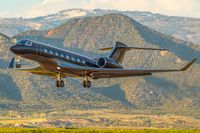
Ask someone why they fly private, and they will tell you about saving time. No lines plus no crowds plus direct routes equals faster decisions.
But it misses the point. The actual product is a feeling. It is the quiet FBO arrival, the crew that knows your name, and the trip that was built around your schedule instead of someone else's. When this feeling isn't delivered, the experience loses its value.

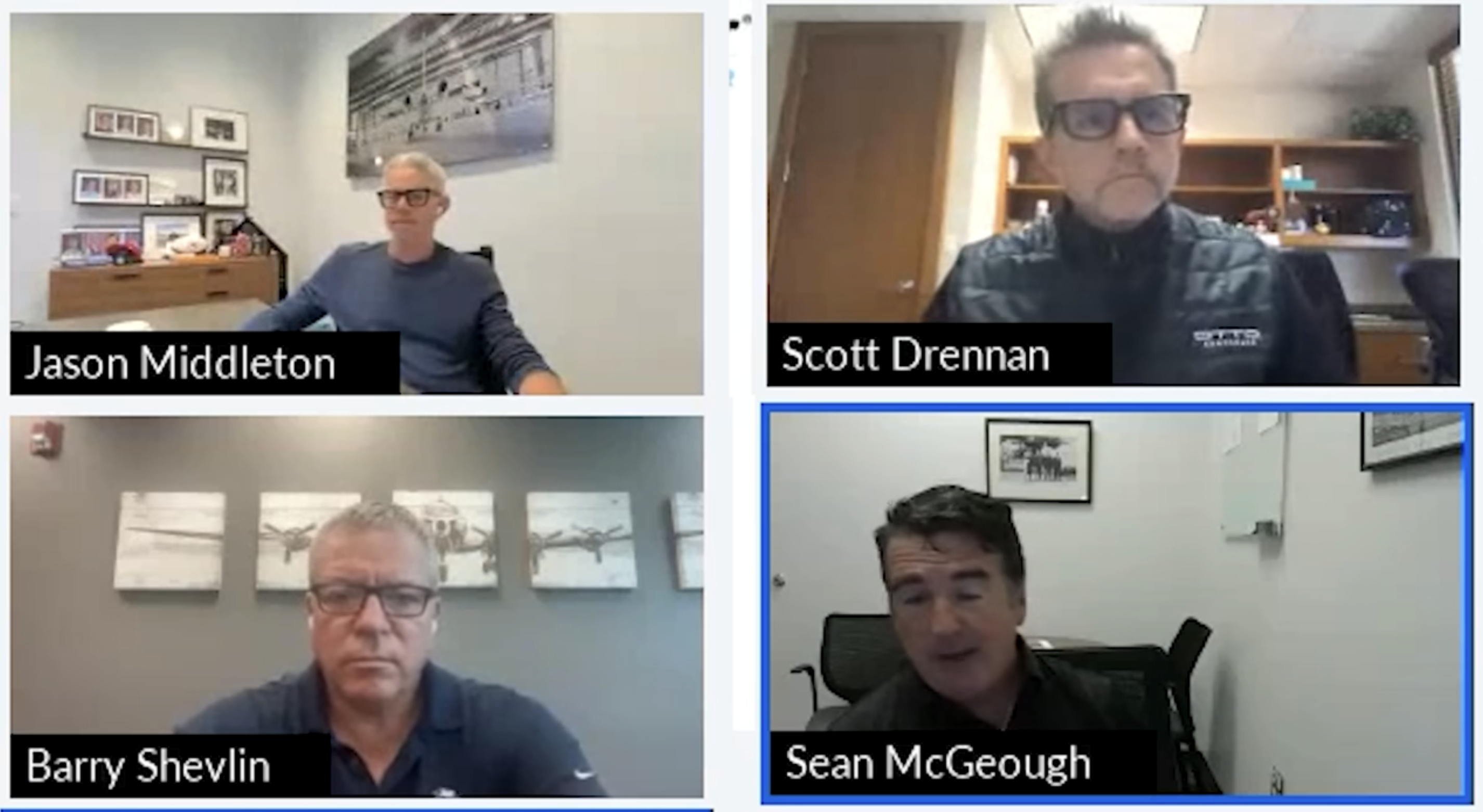
Four industry executives joined AeroXplorer to discuss the future of private and semi-private aviation. Throughout the discussion, a common theme emerged: growth is a double-edged sword. As the industry expands, cost-cutting pressure follows, leading to standardization and automation. But that pressure, the executives warned, risks gutting the very thing customers are actually paying for: the experience.
Keeping it Personal
Barry Shevlin, CEO of FlyUSA put it plainly. “Customers expect high-touch, white-glove service, and that is difficult to scale.”
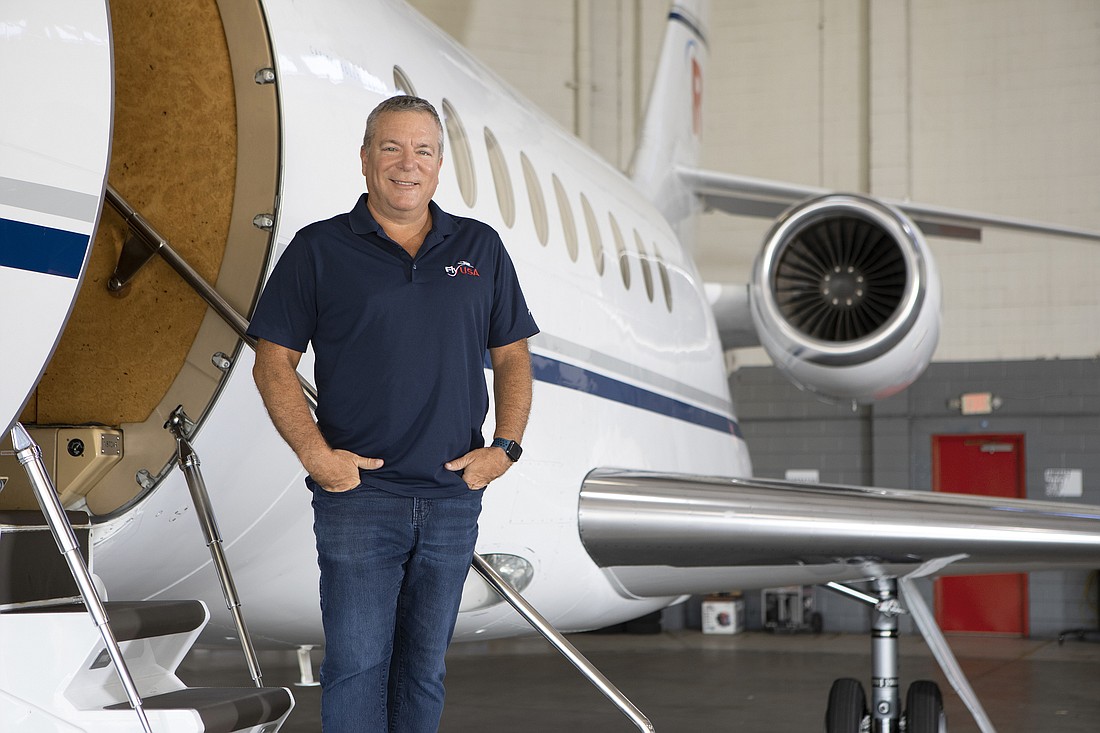
This is true. Most private aviation companies start as pilot-run operations, with one airplane, one operator, and one level of attention. As their fleet grows, the systems have to grow with it. People and processes need to scale to meet increased demand. But regardless of scale, the customer on the other end expects the same intimacy that they received on day one.
Shevlin is direct about where the line should be drawn. He argues that there is so much automation that can be done before the experience is diluted. "We need the human touch in our industry," he said. "That is what our customers expect."

How AI Quietly Became the Backbone of Today’s Aviation Industry
Private jet companies, like FlyUSA, cannot scale like software companies, where AI is implemented to automate repetitive tasks and optimize workflows. Rather, it should scale like a service business, which means every new aircraft on the certificate needs to be matched with the right people, culture, and personalization to the customer on board.
Hospitality Starts Before the Flight
Jason Middleton, CEO of Silver Air Private Jets, has a phrase he returns to often: "How you do one thing is how you do everything."

At Silver Air, the director of hospitality manages three customer groups at once: internal employees, external clients, and vendors. The logic behind this decision is fairly straightforward; every person who touches the organization shapes the passenger experience, whether it be directly or indirectly. A salesperson who genuinely cares about the company goes the extra mile. A vendor treated well does a better job in a shorter period of time, minimizing delays and improving service quality. And a crew that feels valued carries that into the cabin.
"We want everyone who touches our organization to feel special," Middleton said.
But he is also very direct about where the industry can get this wrong. "People make a mistake in our industry. 'Let's create beautiful cabins and airplanes; let's have beautiful champagne and caviar.' But they don't really talk about the human side of it."

Middleton, of course, is referring to passenger treatment. These are the little details, like a cake decorated onboard to celebrate a birthday, or catering based on the passengers' favorite cuisine. A beautiful cabin with an indifferent crew is still a disappointing flight.
The Aircraft Has to Feel Right
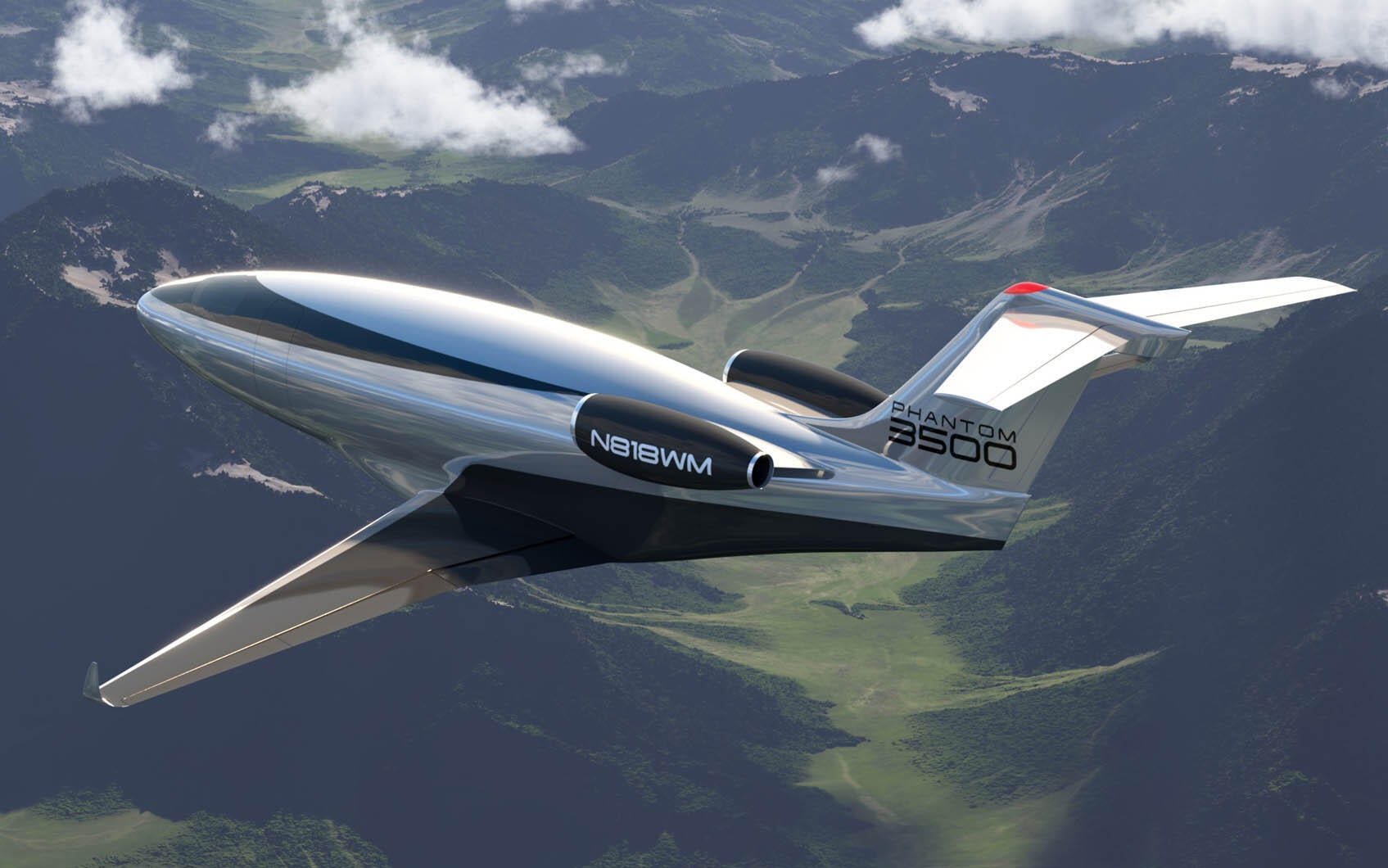
Scott Drennan, CEO of Otto Aerospace, is building a next-generation super-midsize business jet called the Phantom 3500. His insight is that the emotional experience of flying private extends into the design of the cabin.
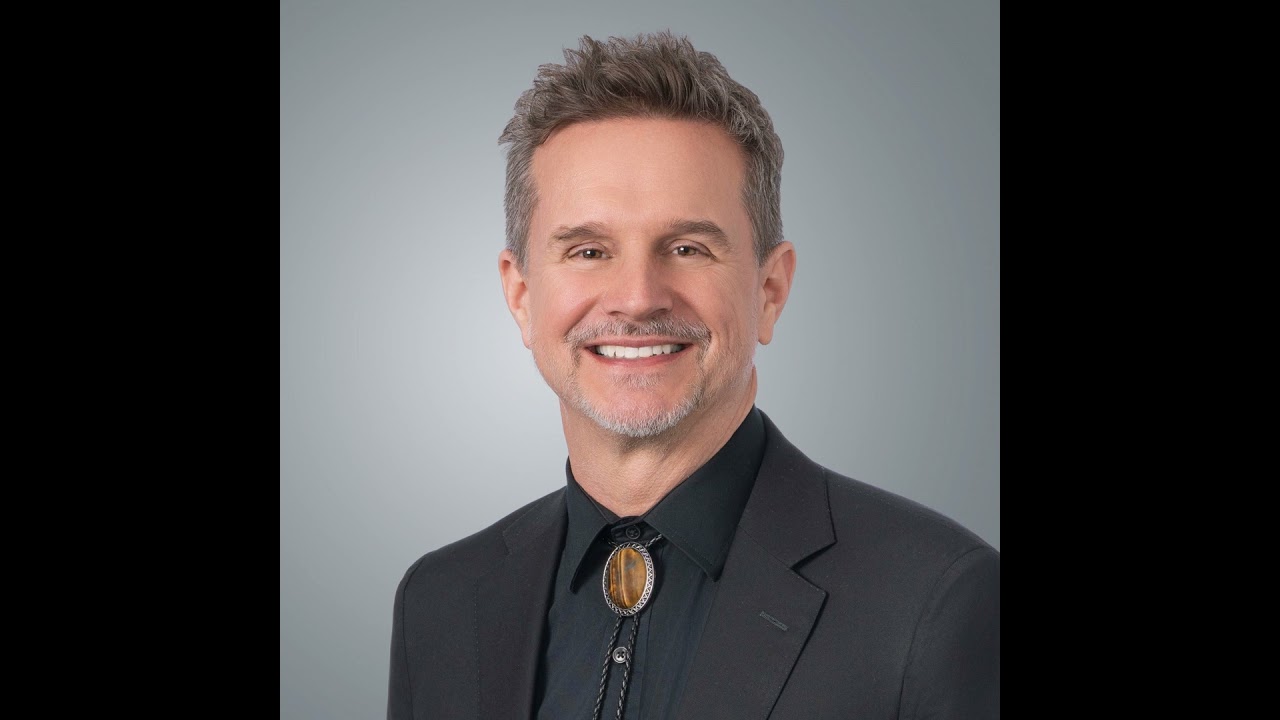
"What do you feel like when you get in the aircraft?" he asked. "Does it feel like it's yours? Do you feel like you're welcome there – you belong there? Does it fit with the rest of your lifestyle?"
These questions drive real design decisions at Otto. The Phantom 3500 uses laminar flow technology to reduce drag and improve fuel economics, but Drennan took some of those weight savings and put them into larger cabin space. This decision was driven by passenger experience, despite a potential efficiency loss.

Only Way Out: Private Aviation in a Region at War
Drennan had strong justification. "Nobody likes to sit in a long sardine can. I think they'd rather have a nice, spacious, shorter cabin [...] the Phantom 3500 has a six-foot-five stand-up flat floor, so instead of crouching through the cabin, you can actually stand."
He also extends his argument to describe reliability in emotional terms. "There is nothing worse than showing up to your airplane and it not working. It ruins your business if you are a fleet operator or charter operator, and it ruins your day if you are a private owner."
Availability and reliability are part of the private jet experience. From a manufacturer's standpoint, producing an aircraft that delivers a high-quality onboard experience while being reliable is what contributes to this "personal touch."
A New Segment Built Around the Same Feeling
But what if passengers don't have to fish out tens of thousands of dollars per flight to experience this personalized flying experience?
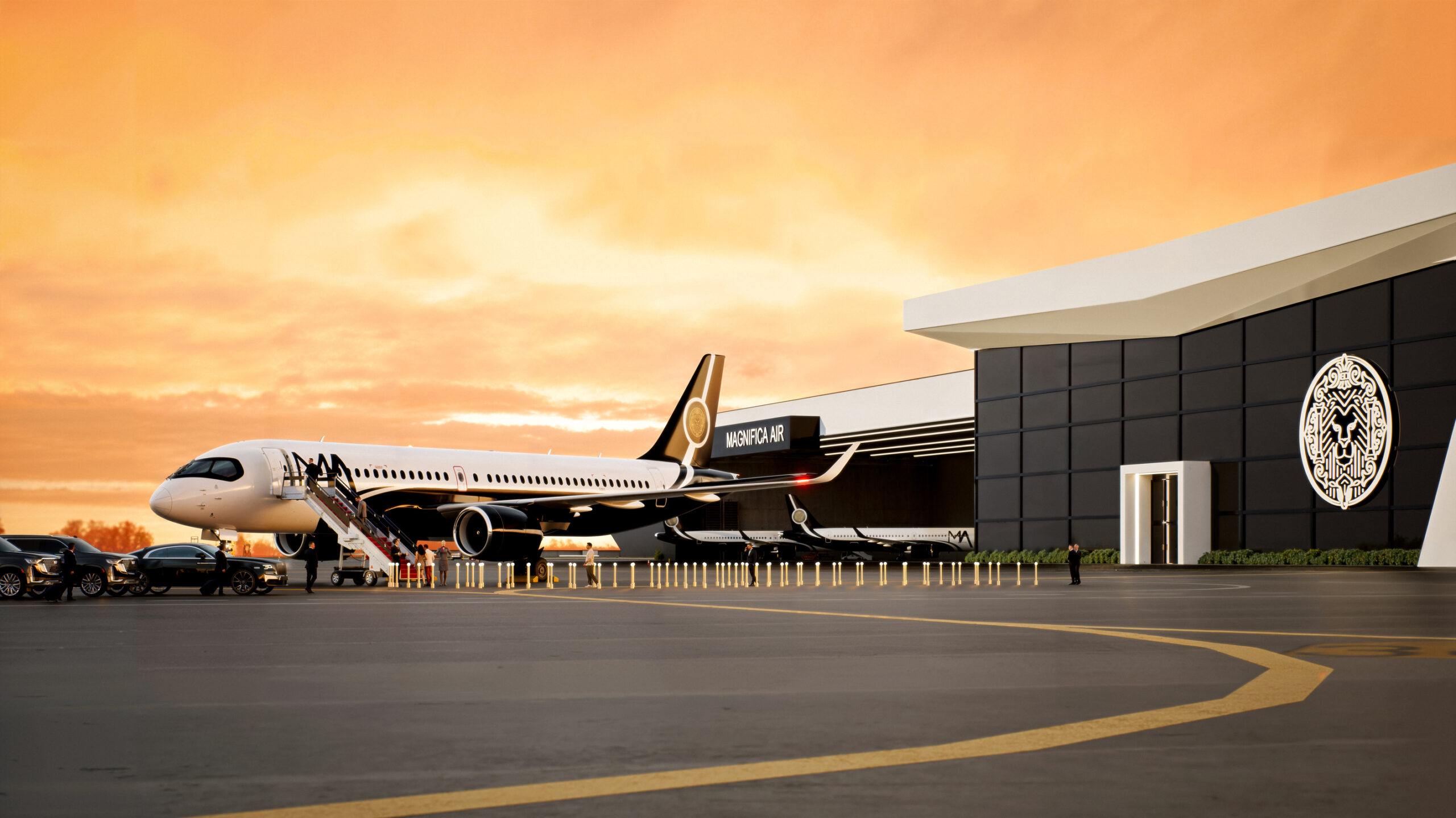
Magnifica Air is bridging this gap by operating commercial aircraft on scheduled flights, reconfigured to provide passengers a near-private experience. According to the company's website, the airline will reconfigure an Airbus fleet with roughly 60 seats, no overhead bins, its own FBO infrastructure, private TSA screening, and black car arrivals.
Sean McGeough, Chief Development Officer at Magnifica Air, joined AeroXplorer to discuss its onboard experience, dubbed "private class," ahead of the airline's official launch in 2027.
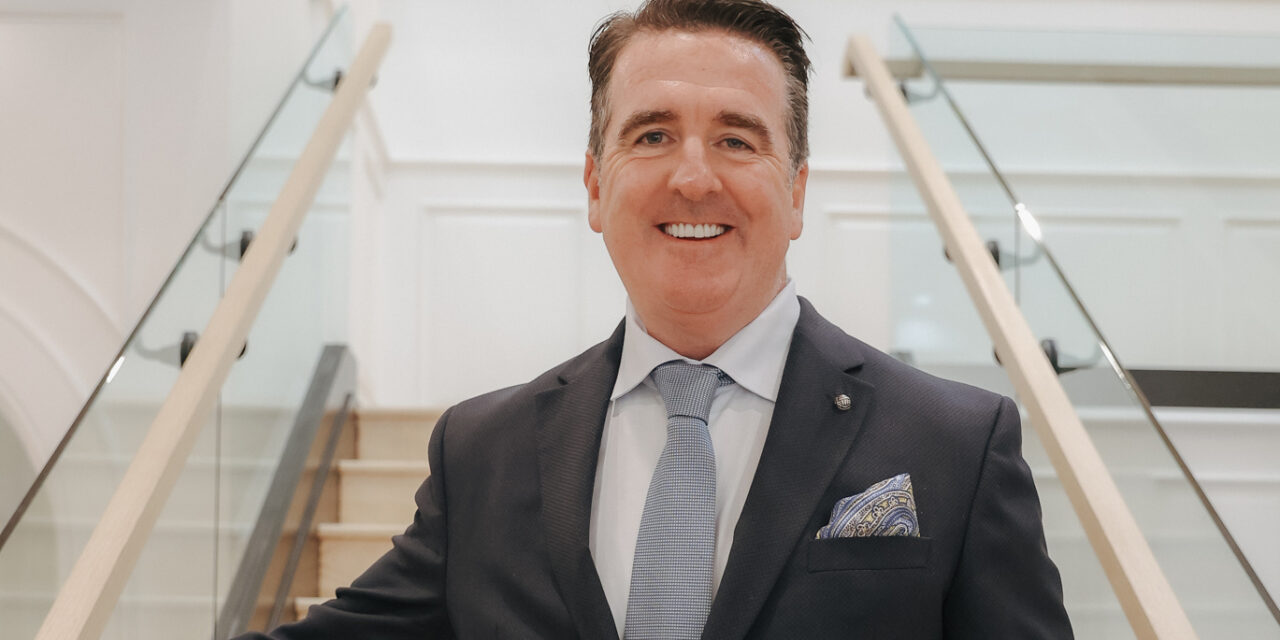
McGeough's argument is that the premium gap in North American aviation is real and underserved. According to him, international first class has evolved rapidly, leaving North American first class far behind. "People are prepared to pay more for good quality," he said. "And sacrificing customer experience is not an option."
He's also clear about economics. "The one way you can scale without sacrificing customer service or the experience is you have got to spend money to do it, and in order to spend money, you have got to charge the right price."

Analysis: How Spirit Airlines Changed Airline Pricing, then Paid the Price
Magnifica is going in the opposite direction from airlines that compete on price, referring to the "race to the bottom" as many analysts say. The company is betting that a defined, well-priced premium product will attract passengers who want something better than first class but do not need their own aircraft.
After all, if a passenger receives the quality of experience they expect at a lower price point, why pay more?
McGeough supported this with a story about an acquaintance who frequently flies on an aircraft they own. "He told me, 'Sean, I took my first Emirates flight to go visit my team in Dubai, and I left my old airplane behind. And I got to tell you, if I could fly Emirates first class everywhere, I'd sell my airplane.'"
What the Premium Actually Costs
Every conversation about the customer experience eventually arrives at the same place: good service costs money. Reliable aircraft cost money. Trained crew, attentive staff, private ground infrastructure, thoughtful cabin design. All of it costs money.
The industry cannot race toward lower prices and still deliver a matching quality of product. As McGeough put it, "The one way you scale without sacrificing customer service: you've got to spend money to do it. And in order to spend money, you've got to charge the right price."

Private aviation customers are paying to feel certain the trip will happen, not just for a nice seat on an empty plane. They are paying to feel known by the people managing the operation, and to feel calm during the moments that are usually stressful for travelers.
FlyUSA shows that human service must survive a rapidly scaling business. Silver Air shows that hospitality is a culture, not just a manufactured feature. Otto Aerospace shows that aircraft design and reliability influence passenger emotion, ultimately shaping the passenger experience. And Magnifica Air shows that the feeling itself can be replicated at scheduled models if the infrastructure and pricing are kept up to par.
The industry's oldest tension among passengers has been fairly simple: do the people running this operation actually care? In a time where technology is rapidly advancing, this human touch cannot be lost. The moment a passenger boards and senses that nobody thought about them specifically – a store-bought cake, for example, or a distracted crew – the whole experience collapses. This cannot be automated, and the companies that understand this will be the ones to succeed moving forward.
The ones that forget it will not, no matter how efficient their operation may be.
Comments (0)
Add Your Comment
Recommended Articles
-
 How AI Quietly Became the Backbone of Today’s Aviation Industry
-
 The Shape of Disaster: The Plane That Kept Falling Apart Mid-Air
-
 Only Way Out: Private Aviation in a Region at War
-
 Analysis: How Spirit Airlines Changed Airline Pricing, then Paid the Price
-
 The Cockpit’s Next Revolution: When the Co-Pilot Is a Computer