Originally published in Jetstream Magazine by Sanghyun Kim.
In the early decades of intercontinental air travel, it was common to see airlines operate routes far beyond the borders of their home countries. A Pan American World Airways flight, for example, might run from Mumbai to Karachi, onward to Frankfurt, and finally to New York, all under the same flight number. Likewise, a British Airways flight could operate from London, UK, to Bombay, India, then onto Kuala Lumpur, Malaysia, Perth, Australia, and Melbourne, Australia before finally arriving in Auckland, New Zealand.
This patchwork routing was the result of passenger demand, aircraft range limitations, and the economic logic of serving multiple markets with a single aircraft. Every stop offered new revenue opportunities, while each additional tag-on improved aircraft utilization.
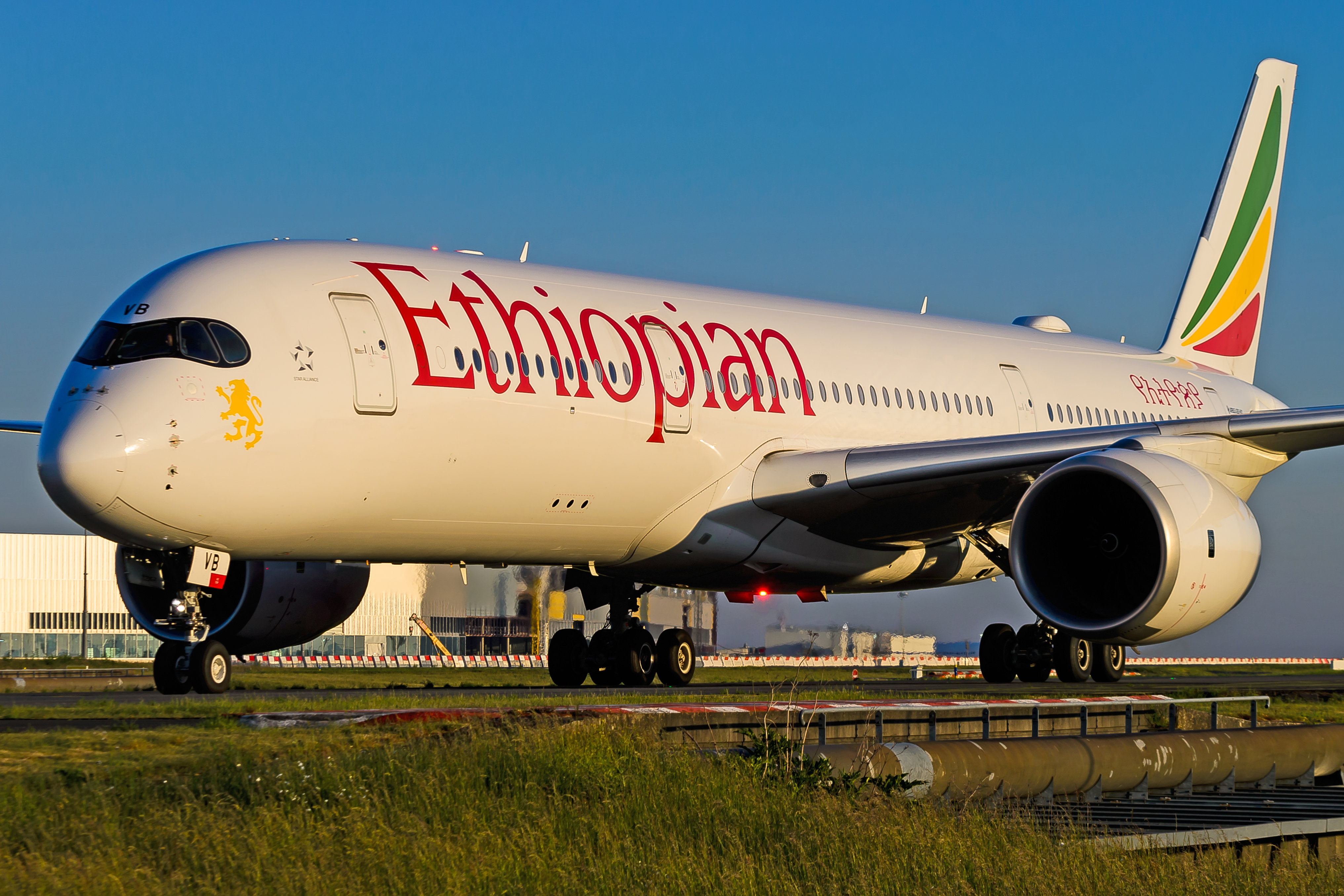
However, operating between two foreign markets introduces regulatory complications. To operate a route between foreign points, an airline must secure permissions from both governments, a process often hindered by protectionist air policies. Some carriers solved this by establishing full-fledged “international stations” at strategically located foreign airports, effectively operating miniature hubs abroad. For example, Pan Am's Pacific Division (which was later bought by United) and Northwest Airlines maintained international stations at Narita International Airport serving Tokyo, Japan. From there, the airlines would operate routes that connected Asian cities such as Seoul, Busan, Taipei, and Hanoi. These foreign hubs mirrored the hub-and-spoke systems airlines used at home, but they functioned entirely on foreign soil.
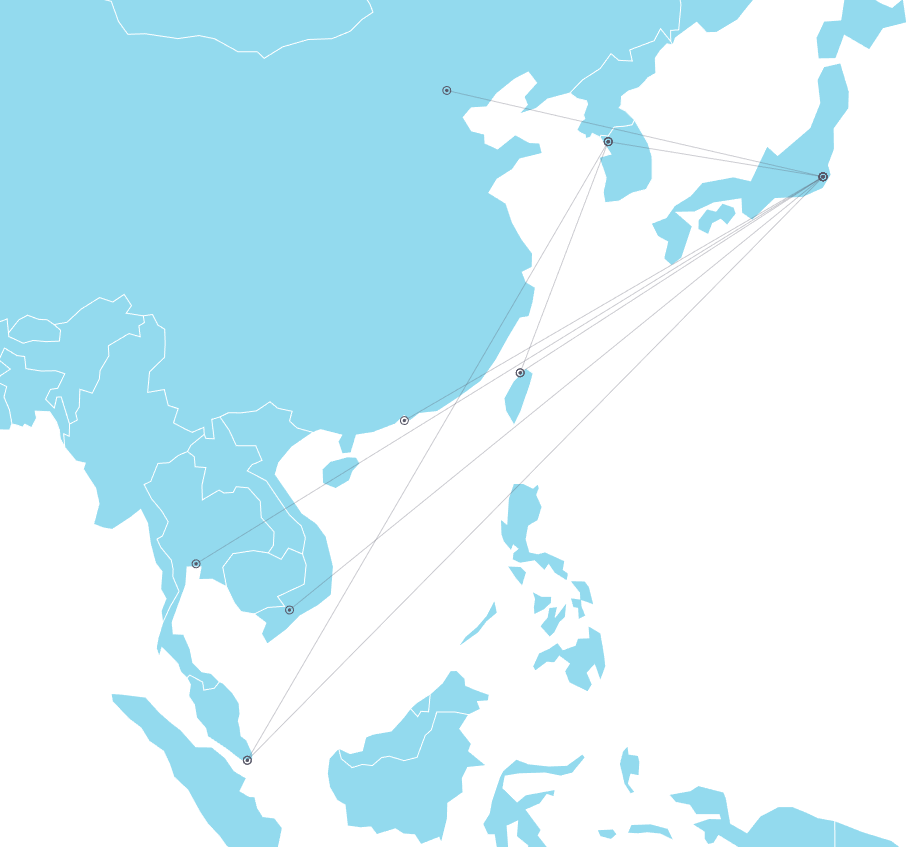
What is a Fifth Freedom Flight?

Unlock the full story.
Subscribe to keep reading, or read for free with ads (metered).
Learn More or Log in
Comments (0)
 Felisha
References:
Neue Online Casinos mit MGA Lizenz echtgeld bonus ohne einzahlung
Felisha
References:
Neue Online Casinos mit MGA Lizenz echtgeld bonus ohne einzahlung
Add Your Comment
Recommended Articles
-
 How AI Quietly Became the Backbone of Today’s Aviation Industry
-
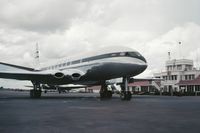 The Shape of Disaster: The Plane That Kept Falling Apart Mid-Air
-
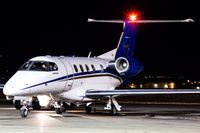 Only Way Out: Private Aviation in a Region at War
-
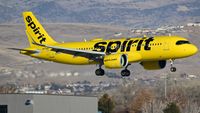 Analysis: How Spirit Airlines Changed Airline Pricing, then Paid the Price
-
 The Cockpit’s Next Revolution: When the Co-Pilot Is a Computer