Originally published in the Fall 2026 issue of Jetstream Magazine.
At approximately 804 feet, it was only about 78 feet shorter than the Titanic, a silver whale of a machine that could cross an ocean while its passengers dined on Rhine wine and slept in private cabins. Hindenburg briefly became the most glamorous way to travel.
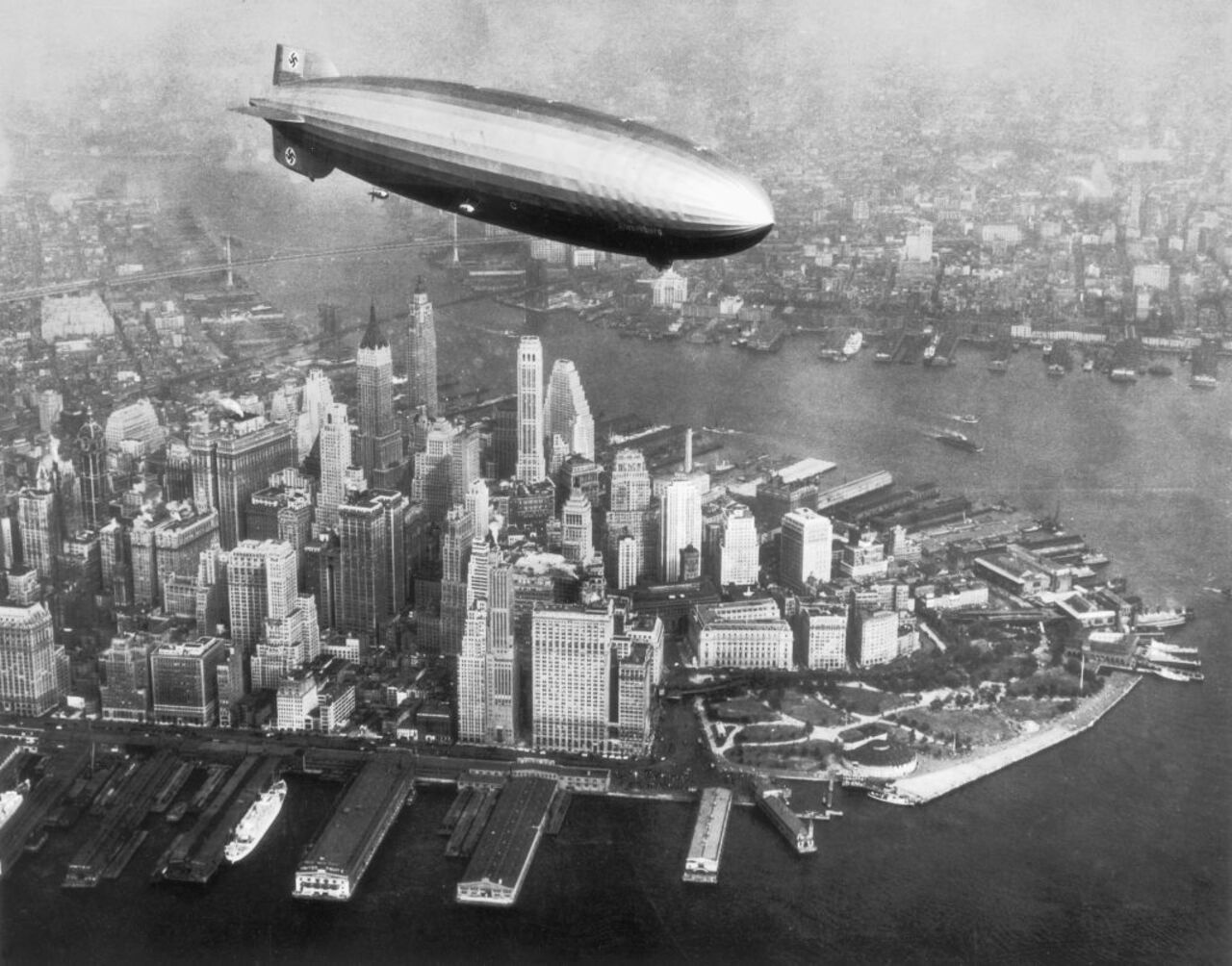
On the evening of May 6, 1937, that machine, the largest aircraft the world had yet seen, was doing what it had done repeatedly during the previous year: approaching Lakehurst at the end of a transatlantic crossing. Reporters and photographers had gathered, expecting little more than another routine arrival for the evening news. But at 7:25 p.m., flames appeared near the tail. Investigators would later conclude that leaking hydrogen was most likely ignited by an electrical discharge, although the precise sequence remains disputed.
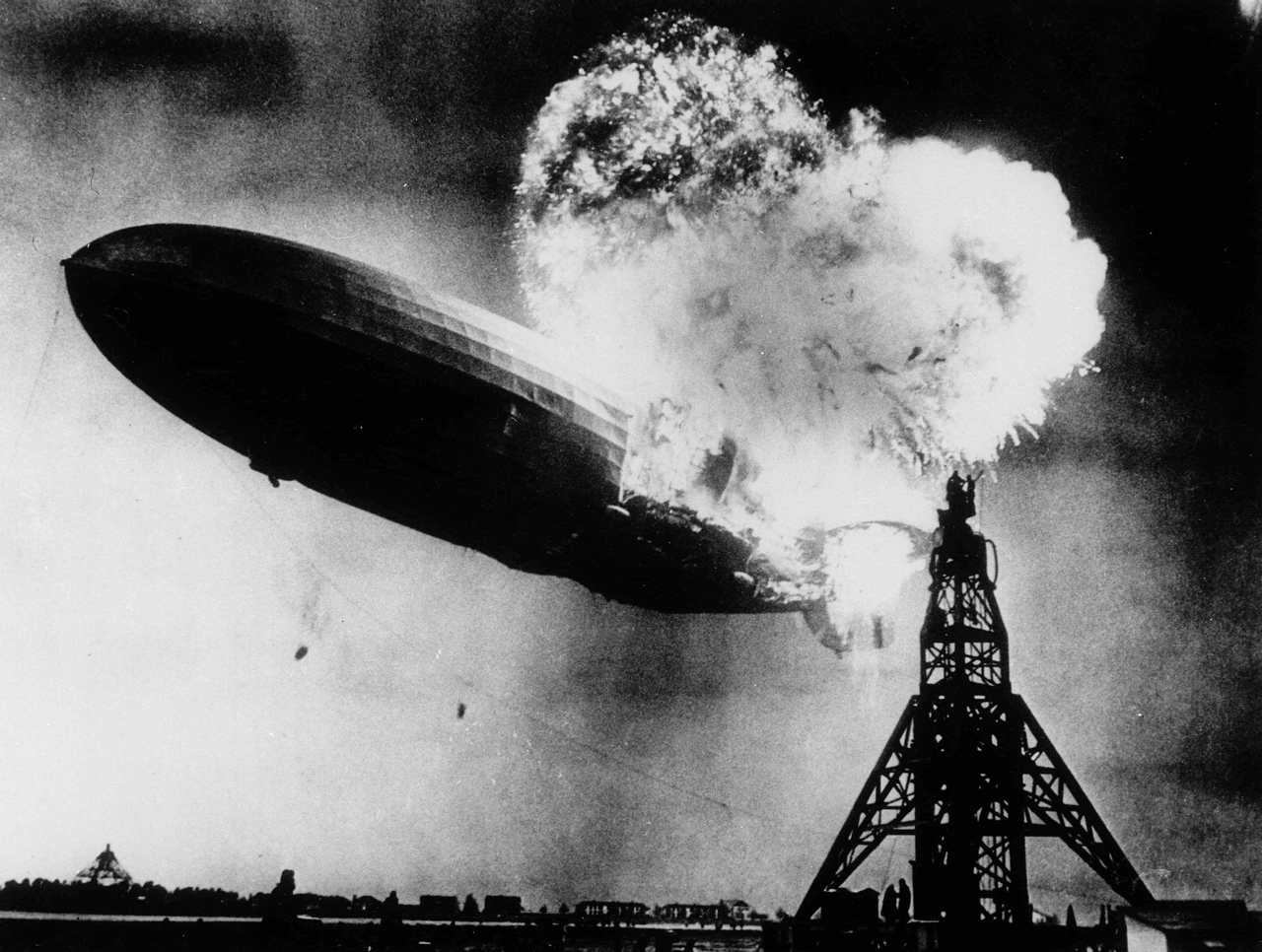
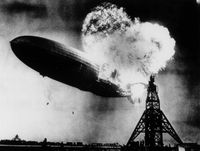
What happened next took less time than it takes to read this sentence: a dull thump, a flash of orange blooming from the stern, and the ship's skeleton lighting up from the inside like a paper lantern. Within 34 seconds, the pride of German aviation had folded into the ground as 7 million cubic feet of hydrogen turned into a curtain of fire nearly as tall as the mast it was supposed to dock against. Passengers leapt from windows 20 and 30 feet up rather than wait for the flames to reach them.
Radio reporter Herbert Morrison – there to record what was expected to be a routine arrival – was reduced to a broken, disbelieving cry: “Oh, the humanity!” Broadcast afterward, his recording became inseparable from the images of the disaster.

Unlock the full story.
Subscribe to keep reading, or read for free with ads (metered).
Learn More or Log in
Comments (0)
Add Your Comment
Recommended Articles
-
 Ten Minutes to Manhattan: Inside Joby’s Air Taxi Ambitions
-
 How AI Quietly Became the Backbone of Today’s Aviation Industry
-
 The Shape of Disaster: The Plane That Kept Falling Apart Mid-Air
-
 Only Way Out: Private Aviation in a Region at War
-
 Analysis: How Spirit Airlines Changed Airline Pricing, then Paid the Price