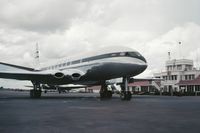
The dawn of the jet age connected cities like never before, in a way that was faster, higher, and more luxurious than anyone would have ever previously thought was possible. The de Havilland Comet was that promise, a gleaming marvel that would carry passengers above the clouds in pressurized comfort. Airlines raced to operate it, whilst travelers dreamed of flying on it. The future had arrived.
Then the planes started falling apart mid-air.
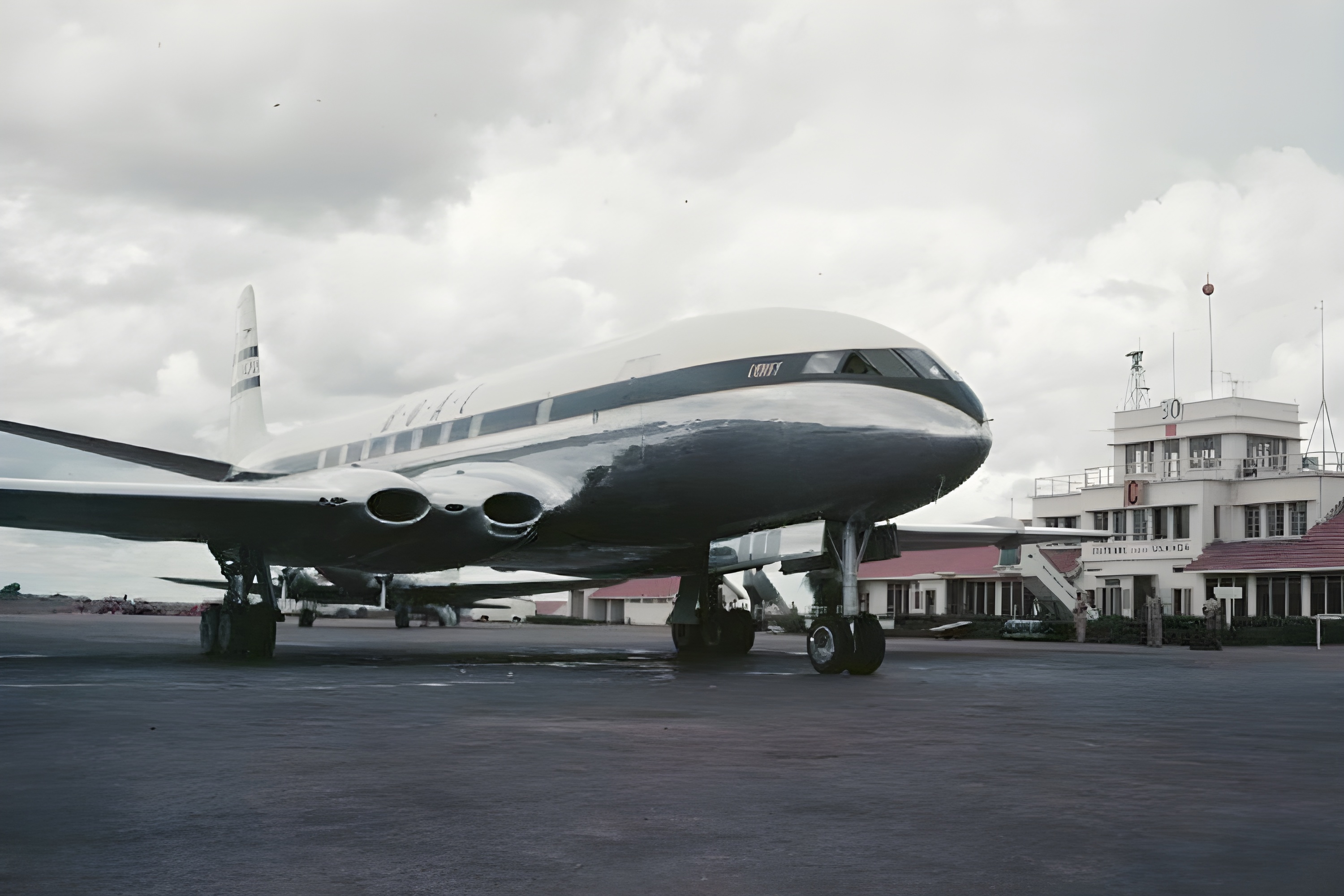
Three catastrophic in-flight breakups in the span of just two years sent investigators scrambling for answers, triggering one of the most consequential forensic investigations in aviation history. What was ultimately uncovered wasn't a faulty engine or pilot error.
It was a shape. A simple, seemingly innocent shape that had been cut into the fuselage thousands of times over. The story of why every commercial aircraft today has oval windows is a story of the physics that taught engineers lessons that forever changed how we fly.
But it was not just the windows. It was the way a pressurized fuselage, thin aluminum skin, rivet holes, and repeated flight cycles concentrated stress around cutouts until tiny cracks propagated, leading to a catastrophic outcome.
The de Havilland Comet

Unlock the full story.
Subscribe to keep reading, or read for free with ads (metered).
Learn More or Log in
Comments (0)
Add Your Comment
Recommended Articles
-
 How AI Quietly Became the Backbone of Today’s Aviation Industry
-
 Only Way Out: Private Aviation in a Region at War
-
 Analysis: How Spirit Airlines Changed Airline Pricing, then Paid the Price
-
 The Cockpit’s Next Revolution: When the Co-Pilot Is a Computer
-
 The Hidden Cost: Why Airlines Are Rethinking Fleet Simplification