
By Hadi Ahmad
The United States, being one of the world's largest aviation markets, is home to numerous airlines and a rich, dynamic aviation history. However, despite the size of the domestic market, the sector is largely dominated by four major players. Let’s examine why this is the case and what events led up to shaping the current affairs of American aviation.
An Oligopoly?
The United States’ domestic market can, in a way, be described as an oligopoly. This term refers to a market dominated by a small group of companies, often because multiple barriers to entry exist that are significant enough to discourage potential competitors.

Examples of such barriers to entry in the American airline industry include high airline startup costs, infrastructure constraints such as takeoff or landing slots, and the large economies of scale that various incumbents currently hold.
Four U.S. carriers combine for just over two-thirds of the domestic airline market share. As of February 2024, this amount was 68%. However, taking factors like wholly-owned regional airline subsidiaries into account, those four airlines control nearly 80% of the domestic market share. It is worth noting, though, that no single carrier’s market share reaches 20% overall.

Unlock the full story.
Subscribe to keep reading, or read for free with ads (metered).
Learn More or Log in
Comments (0)
Add Your Comment
Recommended Articles
-
 How AI Quietly Became the Backbone of Today’s Aviation Industry
-
 The Shape of Disaster: The Plane That Kept Falling Apart Mid-Air
-
 Only Way Out: Private Aviation in a Region at War
-
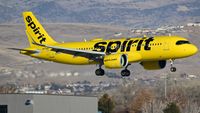 Analysis: How Spirit Airlines Changed Airline Pricing, then Paid the Price
-
 The Cockpit’s Next Revolution: When the Co-Pilot Is a Computer